


Bonnie Blue Baby-Naming Auction Raises New Questions About Sportsbook Marketing
Published:
Updated:

Bekah WrightSenior Writer

Claudio Fortuna
Fact Checker
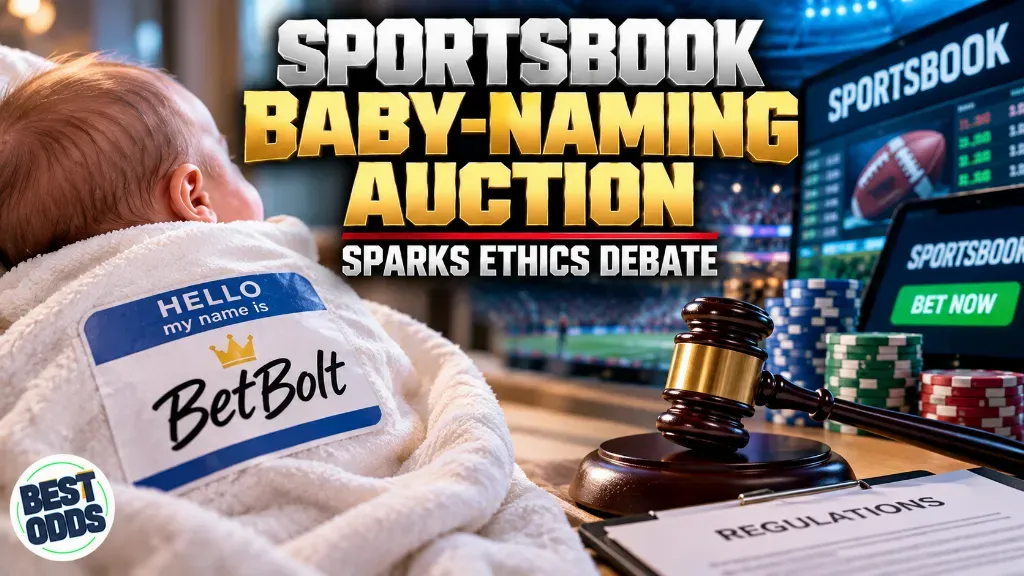 A controversial baby-naming auction involving adult content creator Bonnie Blue has created an unusual ethical question for the gambling industry: should a sportsbook be able to turn a child’s legal name into advertising?
Blue, whose legal name is Tia Billinger, announced this week that a £1.2 million bid won the right to name her newborn “BetBolt.” BetBolt is the name of an online crypto online casino and sportsbook. Blue said she planned to legally register the name after conducting the auction through a QR code promoted on her “Bang Bus.”
There is an important caveat. No independent evidence has established that BetBolt itself placed or authorized the bid, that the reported £1.2 million was actually paid, or that the child has been legally registered under the name. BetBolt had not publicly confirmed its involvement when reports about the auction appeared.
A controversial baby-naming auction involving adult content creator Bonnie Blue has created an unusual ethical question for the gambling industry: should a sportsbook be able to turn a child’s legal name into advertising?
Blue, whose legal name is Tia Billinger, announced this week that a £1.2 million bid won the right to name her newborn “BetBolt.” BetBolt is the name of an online crypto online casino and sportsbook. Blue said she planned to legally register the name after conducting the auction through a QR code promoted on her “Bang Bus.”
There is an important caveat. No independent evidence has established that BetBolt itself placed or authorized the bid, that the reported £1.2 million was actually paid, or that the child has been legally registered under the name. BetBolt had not publicly confirmed its involvement when reports about the auction appeared.
Who Is Bonnie Blue?
Blue is a 27-year-old British adult content creator who has attracted considerable attention through provocative publicity stunts. Complex reports that she built her following beginning in 2023 and later claimed to have had sex with 1,057 men during a 12-hour event.Controversial Stunts Built a Massive Online Following
Her latest promotion extends that publicity strategy to her newborn. Blue defended the auction by arguing that many critics would also accept £1.2 million to rename their child. The announcement has nevertheless generated criticism about turning a child’s identity into a commercial asset. A child-protection lawyer has publicly called for a safeguarding assessment, although no government agency or court has made a finding that the child has been harmed.Is Naming a Child After a Sportsbook Ethical?
The issue becomes particularly complicated if a gambling operator actually purchased the naming rights. A traditional sponsorship involves consenting adults agreeing to associate themselves with a brand. A newborn obviously cannot provide consent, and a legal name can remain part of someone’s identity long after a marketing campaign ends.Some Question Marketing
That distinction could make such an arrangement especially controversial for a gambling company. The American Gaming Association’s Responsible Marketing Code says sportsbook advertising should not be designed primarily to appeal to people under 21 and prohibits gambling branding on products such as clothing, toys and games intended primarily for minors. The code also establishes age restrictions for people appearing in sportsbook advertising. A child’s name is not specifically addressed by those standards. However, regulators could face questions about whether paying to give an infant a gambling brand’s name effectively creates a permanent form of marketing involving a minor.Could Sportsbook Advertising Rules Become Stricter?
Regulators Already Focus on Protecting Minors
The controversy arrives while gambling advertising involving younger audiences is already receiving political and regulatory scrutiny. In June, U.S. Sens. Richard Blumenthal and Katie Britt introduced the bipartisan GAME Act, which would prohibit online platforms from targeting minors with sports-betting advertisements. Individual states already impose their own restrictions. Virginia, for example, generally prohibits sports-betting advertisements from depicting minors, students or school settings, while Colorado prohibits operators and marketing affiliates from targeting underage audiences. The Bonnie Blue episode would not automatically change those laws, particularly because BetBolt’s participation in the auction remains unverified and the situation is centered in Britain. But it illustrates a marketing practice that many existing regulations never specifically contemplated.Unconventional Sponsorships
If gambling companies and prediction market operators increasingly pursue unconventional sponsorships involving children, family identities or permanent naming rights, regulators could respond by writing more explicit restrictions covering those arrangements. Industry organizations could also strengthen voluntary advertising codes before governments act. For now, the biggest unanswered question remains whether a sportsbook actually purchased the child’s name at all. Until BetBolt confirms its involvement or other documentation emerges, the reported £1.2 million arrangement should be treated as Blue’s claim rather than an independently established sportsbook marketing deal. About the Author: Bekah Wright
Bekah Wright is a journalist whose career has been filled with unique experiences, from fly-fishing and hot-air ballooning to herding sheep. After recently relocating from Los Angeles to Connecticut, she’s added baby goat cuddling to her list of adventures. Whether she’s exploring new places or working at her desk, Bekah has contributed her writing to a range of publications, including National Geographic Kids, Bon Appétit, TV Guide, the Los Angeles Times, and Los Angeles Magazine.
Share page
OR
Related News

 NFL
NFL NHL
NHL MLB
MLBBetting offers


Sportzino is a unique Sweepstakes platform that offers social betting and free casino games.
Sportzino
Unique Sports Prediction Options
Live Sports Action
Over 500 Online Slots
Sportzino is a unique Sweepstakes platform that offers social betting and free casino games.
Sportzino
Unique Sports Prediction Options
Live Sports Action
Over 500 Online Slots


Best Sportsbook
Fliff Sportsbook
High-quality customer support
Users can play for free or real cash prizes
Attainable rewards program
Best Sportsbook
Fliff Sportsbook
High-quality customer support
Users can play for free or real cash prizes
Attainable rewards program


Best Sweepstake
Thrillzz Sportsbook
Daily log-in rewards
Loyalty levels from sports picks
Seamless mobile gaming
Best Sweepstake
Thrillzz Sportsbook
Daily log-in rewards
Loyalty levels from sports picks
Seamless mobile gaming