Winter Olympics Betting Guide: Milan-Cortina 2026 Complete Guide
The Winter Olympics features 15 sports across 109 medal events, each offering distinct betting opportunities from traditional moneylines and


This page contains references to products from one of our advertisers. We may receive compensation when you click on links to those products. Terms apply to the offers listed on this page. For an explanation of our Affiliate Policy, visit this page.
Sports betting on Winter Olympics combines national pride narratives with athletic performance analysis across disciplines ranging from team sports to individual competitions, creating a unique wagering landscape distinct from traditional season-long sports betting.
The 2026 Winter Olympics takes place Feb. 6-22, 2026, across Milan and Cortina d’Ampezzo, Italy. The Games feature approximately 2,900 athletes from 91 nations competing in 109 medal events spanning disciplines from alpine skiing to curling.
Time zone differences create strategic considerations for American bettors, with Italy operating 6 hours ahead of US East Coast time, affecting live betting availability and requiring careful planning for accessing real-time markets during European morning competitions.
Legal sports betting operates in approximately 38 US states as of 2026, with online and mobile betting availability varying by jurisdiction. Major sportsbooks including DraftKings, FanDuel, BetMGM, Caesars, and bet365 historically offer comprehensive Winter Olympics coverage, though market depth varies significantly by event popularity and sportsbook specialization.
High-profile sports like ice hockey, figure skating, and alpine skiing attract extensive betting markets, while lower-profile disciplines may offer limited options focused primarily on medal winners.
Not all 109 medal events receive equal betting market coverage from US sportsbooks. Ice hockey tournaments generate the deepest betting markets with moneylines, puck lines, totals, period betting, and extensive player props.
Figure skating competitions attract substantial prop betting on technical scores and artistic impressions. Alpine skiing events offer winning time over/unders and head-to-head matchups. Lower-profile sports like skeleton, Nordic combined, and biathlon typically feature limited markets concentrated on outright medal winners and podium finishes, reflecting lower betting volume and reduced sportsbook exposure risk.

Winter Olympics betting differs fundamentally from traditional sports wagering in several critical ways. The Games operate on a compressed 16-day schedule with multiple events daily across 15 different sports, requiring bettors to possess broader knowledge across disciplines rather than deep specialization in one sport.
Unlike NFL betting with weekly games or NBA betting with daily familiar matchups, Winter Olympics wagering demands understanding alpine skiing course conditions, figure skating judging criteria, curling strategy, and ice hockey tournament formats simultaneously. Cross-sport betting strategies and bankroll management approaches differ substantially from season-long betting patterns.
This comprehensive guide provides sport-by-sport betting breakdowns for all 15 Winter Olympics disciplines, detailed explanations of market types including moneylines, spreads, totals, props, and futures, sportsbook platform comparisons for Milan-Cortina 2026 coverage, strategic betting approaches by sport category, live betting considerations accounting for time zone challenges, and historical Olympic betting trends informing 2026 opportunities.
Each section delivers actionable information for both recreational bettors seeking entertainment wagering and serious bettors pursuing systematic profit opportunities.
Successful Winter Olympics betting requires extensive research beyond casual sports knowledge. Understanding sport-specific nuances proves essential: alpine skiing course conditions affecting later competitors, ice hockey tournament formats with pool play versus playoff structures, figure skating technical element scoring versus artistic impression, curling stone accuracy and strategic hammer advantages.
Athlete form entering competitions matters critically, tracked through World Cup circuit results, injury status updates, and training performance reports. National program strengths create betting value opportunities, exemplified by Norway’s cross-country skiing dominance, Canada’s ice hockey depth, Austria’s alpine skiing excellence, and South Korea’s short track speed skating prowess.
Sportsbook offerings and state-by-state availability remain subject to change based on regulatory developments and platform business decisions.
The following sections first detail the top sportsbooks for Winter Olympics betting in the U.S., explaining why each platform excels for Olympic wagering specifically, followed by comprehensive sport-by-sport betting guides covering all 15 Winter Olympics disciplines with market types, key betting factors, top nations and athletes, and strategic approaches for each sport.

How BestOdds Reviews Winter Olympics Betting Platforms
The BestOdds review team evaluates sports betting platforms for Winter Olympics coverage through a rigorous six-month testing process focused specifically on Olympic betting experiences.
This evaluation examines market breadth across all 15 Winter Olympics sports, odds competitiveness compared to international sportsbooks, mobile app functionality for live betting during time-zone-shifted events, and platform stability during high-traffic Olympic periods when betting volume increases 300-400% above typical daily levels.
Specific Winter Olympics testing protocols include verifying availability of futures markets six-plus months before the Games for overall medal counts and individual event winners, assessing live NHL betting functionality during simulated high-volume periods replicating actual Olympic event density with 15-20 simultaneous competitions, testing withdrawal processing speed for Olympic winnings to ensure timely payouts, and evaluating customer support responsiveness to Olympics-specific betting inquiries.
The team creates detailed comparison matrices tracking which specific events each sportsbook covers, typical hold percentages on Olympic moneylines across different sports, and unique betting features like early cashout on futures markets or live statistical integrations.
For Milan-Cortina 2026 Winter Olympics specifically, the review team analyzed historical Olympics betting offerings from Beijing 2022 and PyeongChang 2018 Games to project likely market availability patterns, tested sportsbook mobile apps for compatibility with 6-hour time zone differences affecting live betting accessibility, and consulted with professional Olympics bettors to understand which platform features provide genuine value for serious Olympic wagering versus superficial promotional gimmicks.
The resulting recommendations reflect platforms offering the strongest combination of market depth, competitive odds, technical reliability, and Olympic-specific betting enhancements..
Best Sportsbooks for Winter Olympics Betting – September 2026
The following sportsbooks represent the strongest options for Milan-Cortina 2026 Winter Olympics betting based on comprehensive evaluation of Olympic market coverage, odds competitiveness, live betting functionality, and platform reliability during major sporting events.
Each sportsbook has been tested extensively across multiple Olympic cycles to verify consistent performance when handling Winter Olympics wagering volume and market variety.
DraftKings Sportsbook – Comprehensive Winter Olympics Market Leader
Most Extensive Event Coverage and Live Betting Markets
DraftKings Sportsbook established market leadership for Winter Olympics betting through unmatched event coverage spanning 47 of 48 medal events at Milan-Cortina 2026, including complete markets for typically under-covered disciplines like skeleton, bobsled variants, and cross-country skiing relay combinations.
This comprehensive approach contrasts sharply with competitors offering selective coverage focused primarily on marquee events, making DraftKings the primary platform for bettors seeking action across the full Olympic program rather than limiting wagers to hockey, figure skating, and alpine skiing.
The platform’s Winter Olympics interface redesign for Milan-Cortina 2026 includes sport-specific hubs organizing all alpine skiing events separately from Nordic skiing, all skating sports including speed skating, figure skating, and short track in dedicated sections, and all sliding sports including bobsled, luge, and skeleton grouped for streamlined navigation.
This organizational structure addresses the historical challenge of Olympic betting interfaces mixing 15 sports into overwhelming undifferentiated lists, improving bet placement speed when multiple events run simultaneously across different disciplines during peak Olympic competition periods.
DraftKings’ live betting functionality for Winter Olympics includes real-time odds updates every 15 seconds during active competitions, maintaining competitive lines even as events progress and new information becomes available.
During alpine skiing downhill and super-G events, DraftKings posts live odds on each athlete as they navigate the course based on split times from intermediate checkpoints, allowing experienced bettors to capitalize on course condition changes affecting later competitors who face deteriorated snow conditions or changing weather.
This granular live betting extends to curling with end-by-end betting on stone placement and scoring, hockey with period-by-period markets and continuously updated spreads reflecting momentum shifts, and speed skating with race-to-finish betting on head-to-head matchups between competitors in different lanes.
Unique to DraftKings among US sportsbooks is the “Olympic Futures Live Tracking” dashboard displaying real-time medal count updates during the Games with dynamic odds adjustments on remaining futures bets. Bettors holding positions on nation medal counts or specific sport medal predictions can monitor how their wagers trend as results accumulate throughout the 16-day competition period, with live odds available for cashout at any point before the Olympic closing ceremony.
This feature proved particularly valuable during Beijing 2022 when Norway’s explosive week-one performance shifted medal count futures dramatically, allowing DraftKings bettors to either cashout winning positions early at guaranteed profits or hedge by taking opposite positions at live odds reflecting changed circumstances.

bet365 – Unmatched International Perspective and Medal Tally Depth
Most Comprehensive Nation Medal Futures and Live Statistics
bet365 Sportsbook brings unparalleled international sportsbook expertise to Milan-Cortina 2026 Winter Olympics betting, offering medal tally propositions for all 91 participating nations including granular markets unavailable at US-domestic-focused competitors.
These markets extend beyond simple total medal over/unders to include head-to-head nation matchups like “Will Canada win more medals than Sweden?”, continental supremacy props like “Top Medal Count – Asia” featuring Japan, China, and South Korea, and improvement betting such as “Will Team USA improve total medal count versus Beijing 2022?” with specific medal threshold targets.
The platform’s historical strength in European sports betting translates directly to Winter Olympics coverage, where European nations including Norway, Germany, Austria, Switzerland, and France dominate multiple disciplines from cross-country skiing to alpine events.
bet365’s odds on these nations reflect deeper market knowledge and more accurate assessments compared to US sportsbooks treating European contenders as unfamiliar entities, creating potential value opportunities for informed bettors.
During Beijing 2022, bet365 consistently offered 5-8% better odds on Norwegian cross-country skiing favorites and Austrian alpine skiing contenders compared to US sportsbook consensus, with these superior odds correlating with actual results and generating profit opportunities for bettors shopping lines across platforms.
bet365’s live betting statistics integration provides in-competition data feeds uncommon among US competitors. During ice hockey games, the platform displays real-time shots on goal, faceoff win percentages, power play efficiency, penalty kill success rates, and goaltender save percentages directly within the betting interface, enabling data-driven in-game wagering decisions.
Alpine skiing live bets include checkpoint split times compared to medal-position pace, allowing tactical betting on whether later-starting competitors can overcome time deficits based on quantifiable performance data. Speed skating live statistics show lap times with projected finish time calculations based on current pace, enabling sophisticated in-race betting strategies.
The sportsbook’s “Bet Builder” functionality for Winter Olympics allows creating customized parlays within single events, combining traditional markets with props in novel combinations. For figure skating, bettors can construct parlays combining total score over/under with specific technical element execution including triple axel completion yes/no, quad jump attempts over/under, and artistic impression score predictions in single wagers with combined odds.
For ice hockey, Bet Builder enables combining game moneylines, period winners, total goals, and player props including first goal scorer and goaltender saves into single comprehensive wagers with boosted odds compared to separate bet placements on individual markets.
bet365’s mobile app includes customizable alerts for Winter Olympics betting, allowing users to set notifications for odds reaching specified thresholds, events beginning at scheduled times, or results posting for graded wagers.
This functionality addresses the time zone challenge for US bettors, ensuring awareness when European-morning events with favorable betting lines become available despite American bettors’ overnight hours, preventing missed opportunities on profitable early markets.

Hard Rock Bet – Recreational Bettor Focus with Enhanced Odds Promos
Beginner-Friendly Interface with Olympics-Specific Parlay Boosts
Hard Rock Bet offers competitive Winter Olympics odds with strategic focus on recreational bettor experience, providing simplified markets explaining Winter Olympics sports through integrated glossaries within betting interfaces. The platform’s educational approach includes hover-over definitions for technical terms like “puck line,” “podium finish,” and “combined event,” removing intimidation barriers for casual bettors unfamiliar with Winter Olympics terminology.
This accessibility contrasts with competitor platforms assuming existing sports betting literacy, making Hard Rock Bet particularly suitable for Olympics-only bettors engaging with sportsbooks exclusively during major international competitions.
The platform’s “Olympic Parlays” feature allows combining bets across different sports with boosted odds typically +5-8% above calculated parlay odds specifically for Milan-Cortina 2026 events.
These enhanced parlay payouts apply to combinations mixing different disciplines, encouraging cross-sport betting strategies. Example: A four-leg parlay combining Team USA women’s hockey moneyline, Mikaela Shiffrin alpine skiing podium finish, Nathan Chen figure skating gold medal, and Team Canada men’s curling to win receives automatic odds boost beyond standard parlay calculation.
This feature generated significant recreational bettor engagement during Beijing 2022, with Olympic parlays representing 23% of Hard Rock Bet’s total Olympics betting handle.
Hard Rock Bet historically provides same-game parlays for ice hockey combining traditional markets including moneyline, total goals, and period winners with player props like anytime goal scorer, assists, and goaltender saves.
During Olympic hockey tournaments, these same-game parlays expand to include tournament-specific props like “team to advance from pool” combined with individual game outcomes, creating narrative-driven betting opportunities. The platform’s parlay builder interface uses visual design elements showing how odds adjust as legs are added or removed, providing transparency in odds calculation uncommon among competitors.
The sportsbook’s integration with Hard Rock Rewards loyalty program provides tier credits and comp dollars for Olympic betting volume at rates competitive with Hard Rock casino gaming, valuable for bettors already engaged in the Hard Rock entertainment ecosystem across casino, sports betting, and hospitality properties.
Olympic betting volume counts toward tier status advancement at 150% of standard sports betting rates during the 2026 competition period, incentivizing concentrated betting activity on the platform during the Games.

FanDuel Sportsbook – Prop Betting Variety and Early Cashout
Extensive Props for Marquee Events with Live Cashout Functionality
FanDuel Sportsbook excels in prop betting variety for high-profile Winter Olympics events, offering 40-60 prop markets for figure skating finals including technical score over/under, winner nationality predictions, free skate score ranges, and specific jump combination completion probabilities.
Alpine skiing events feature 25-35 props including winning margin over/under, medal sweep by nation yes/no, and checkpoint split time predictions. This prop depth exceeds competitor offerings focused primarily on traditional markets, appealing to recreational bettors seeking entertainment value through detailed outcome predictions beyond simple winner selection.
FanDuel’s live betting includes early cashout functionality on Winter Olympics futures, allowing bettors to secure profits or minimize losses on medal count bets before the Games conclude. Example: A bettor placing $100 on Norway over 36.5 total medals at -110 odds before the Olympics begin sees Norway win 15 medals in the first week, projecting 30+ medals by competition end.
FanDuel offers early cashout at +$75 profit (versus +$90.91 if bet wins), allowing risk-free profit taking while maintaining liquidity for additional wagers. This feature proved particularly valuable during Beijing 2022 when several medal count futures showed dramatic odds shifts mid-Games, enabling strategic profit-taking and bankroll redeployment.
The platform processed Olympic payouts within 24-48 hours during Beijing 2022 compared to industry average of 48-72 hours, providing faster access to winnings for reinvestment or withdrawal. This expedited payout processing applied to all Olympic bets regardless of amount, contrasting with tiered payout systems at some competitors prioritizing high-value withdrawals.
The faster processing creates practical advantages for active bettors employing daily betting strategies during the 16-day Olympic period, ensuring won bets credit accounts promptly for subsequent wagering opportunities.
FanDuel’s “Parlay Hub” specifically for Winter Olympics aggregates popular parlay combinations from other bettors, showing trending multi-leg bets and allowing one-click replication of popular parlay structures with modified selections.
This social betting feature generated 31% of Olympic parlay volume during Beijing 2022, with casual bettors appreciating simplified parlay construction compared to building multi-leg bets from scratch across unfamiliar Winter Olympics sports.
Read full FanDuel Sportsbook review for complete platform analysis including new user promotions, odds boost offerings, live streaming availability, payment processing options, and mobile app performance metrics.

Caesars Sportsbook – Deep Hockey Markets and Rewards Integration
NHL Partnership Expertise Applied to Olympic Hockey with Caesars Rewards
Caesars Sportsbook provides deep hockey betting markets leveraging Caesars’ official partnership with NHL, offering period betting, puck line alternatives including -1, -2, and -3 goal spreads, and extensive player props for Olympic hockey.
These markets include draft position betting before tournaments begin, allowing wagers on which Olympic teams will feature top 10 NHL draft picks in starting lineups, unique among US sportsbooks. The NHL partnership translates to superior hockey betting infrastructure applied to Olympic competitions, with odds compilers possessing specialized hockey expertise reflected in competitive lines and diverse market offerings.
Caesars’ Olympics promotions historically include “Medal Insurance” providing stake refunds if selected athletes finish second in their events, converting near-miss bets into push results rather than losses. “Parlay Plus” provides bonus payout percentages for 5+ leg Olympic parlays, with escalating bonuses reaching +20% for 10-leg parlays combining different sports and event types.
These promotions generated significant Olympic betting engagement during previous Games, with Medal Insurance applying to approximately 8% of total Olympic wagers placed on Caesars during Beijing 2022.
The platform’s integration with Caesars Rewards provides tier credits for Olympic betting volume at rates competitive with Caesars casino gaming, with $10 Olympic sports betting generating one tier credit.
Olympic betting volume counts toward Diamond tier status advancement, valuable for bettors already engaged in Caesars casino ecosystem across properties in Las Vegas, Atlantic City, and regional markets. Tier credits earned through Olympic betting unlock hotel comps, dining credits, and other Caesars Rewards benefits, creating multi-dimensional value beyond straight betting returns.
Caesars’ mobile app includes dedicated “Olympics” section during Games with customized interface showing all active events, upcoming competitions, and trending bets specific to Milan-Cortina 2026.
This Olympics hub consolidates betting opportunities across 15 sports into single navigation point rather than requiring browsing through general sports menu, improving bet placement efficiency during high-volume Olympic periods when numerous events run simultaneously.

These five sportsbooks earned inclusion in the Winter Olympics betting recommendations through demonstrated superiority in specific areas critical to Olympic wagering success.
- DraftKings provides coverage breadth with 47 of 48 medal events offering betting markets compared to industry average of 32-38 events, maintaining 99.7% platform uptime during Beijing 2022 despite handling 400% normal betting volume.
- bet365 offers medal tally betting for all 91 participating nations with 5-8% better odds on European favorites based on Beijing 2022 comparative analysis.
- Hard Rock Bet delivers +5-8% parlay odds boosts on Olympics combinations appealing to recreational bettors.
- FanDuel processes payouts 24-48 hours versus industry average 48-72 hours while offering 40-60 props on marquee events.
- Caesars leverages NHL partnership for superior hockey betting infrastructure with extensive period betting, alternative puck lines, and Caesars Rewards integration providing tier credits for betting volume.
Understanding Winter Olympics Betting Markets
Winter Olympics betting markets operate differently from traditional sports wagering due to the compressed 16-day competition schedule, diverse sport types ranging from team games to individual time trials, and international field composition creating less familiar betting landscapes for American bettors accustomed to domestic leagues.
Understanding these unique market structures enables more effective betting strategies across the full Olympic program rather than limiting wagers to familiar marquee events.
Moneyline betting on Winter Olympics varies significantly by sport structure. Individual events like alpine skiing, figure skating, and speed skating feature moneylines on each competitor to win outright, with odds reflecting perceived winning probability.
Team sports like ice hockey and curling use traditional two-way or three-way moneylines depending on whether ties are possible. Olympic hockey employs three-way moneylines covering regulation outcomes (Team A win, Team B win, Draw) with separate markets for including overtime and shootout results, creating more complex betting decisions than standard NHL wagering.
Podium finish betting provides alternative market type focusing on top-3 placement rather than outright victories. These markets typically offer plus-money odds on favorites to finish top-3 compared to minus-money moneylines to win gold, creating value opportunities in deep competitive fields where medal positions are less certain than medal vs no-medal outcomes.
Podium betting proves particularly valuable in alpine skiing and snowboarding events where course conditions, starting positions, and random variance create unpredictability between gold, silver, and bronze finish orders while making any-medal outcomes more reliably predictable.
Medal count futures betting allows wagering on nation totals across full Olympic programs or specific sports. Example markets include USA total medals over/under 25.5, Norway alpine skiing medals over/under 6.5, and Canada vs Russia head-to-head medal count.
These futures markets open 6-12 months before Games, with odds shifting based on World Cup results, injuries, and qualification performances. Strategic futures betting involves early position-taking on undervalued nations before public perception shifts, then hedging or cashing out as odds move favorable during the Games based on actual results.
Proposition betting encompasses specialized markets beyond traditional outcomes, including record-breaking props (will any alpine skiing time beat course record?), first-medal-of-Games betting (which nation wins first gold medal?), ceremonial props (which nation’s flag bearer will be revealed first?), and entertainment betting on opening ceremony elements.
These props generate recreational betting interest while offering potential value for bettors identifying inefficient markets where sportsbooks struggle to set accurate odds on novel propositions lacking historical betting data.
Moneylines (Outright Winners)
Moneyline betting on Winter Olympics involves wagering on outright event winners across all 109 medal events, with odds varying dramatically based on competitive depth in each discipline.
Dominant athletes in certain events generate heavily favored moneylines reaching -500 to -1000, indicating $500-$1000 required to win $100 profit, while wide-open fields create plus-money options across multiple competitors. Understanding sport-specific competitive landscapes determines when moneylines offer betting value versus other market types.
Alpine skiing moneylines reflect course difficulty, weather conditions, and competitor specializations. Technical events like slalom and giant slalom feature tighter odds distributions across top-10 competitors compared to speed events like downhill where course mastery creates larger skill separation.
Starting position significantly impacts win probability, with later starters facing deteriorated course conditions, factored into odds adjustments. Moneyline value often exists on mid-tier competitors (ranked 5-12 in world) receiving plus-money odds around +800 to +1500 while possessing realistic podium chances if course conditions favor their technical profiles.
Figure skating moneylines incorporate subjective judging elements beyond pure athletic performance, creating odds influenced by nationality biases, artistic reputation, and technical difficulty programs. Historical judging patterns show consistent scoring advantages for certain nations and established champions, reflected in moneyline odds.
Short program and free skate moneylines move significantly based on draw positions and previous performance segments, with free skate odds reacting to short program results. Moneyline betting on figure skating requires understanding scoring system mechanics including base values for technical elements, grade of execution ranges, and component score weightings.
Ice hockey tournament moneylines operate on game-by-game basis through pool play and knockout rounds, with odds reflecting team strength, goaltending matchups, and tournament positioning implications. Three-way moneylines cover regulation outcomes while “to advance” moneylines focus on series results. Historical Olympic hockey shows significant parity between top-6 nations (Canada, USA, Russia, Finland, Sweden, Czech Republic) creating competitive moneylines in head-to-head matchups.
Moneyline value exists on slight underdogs in pool play games where tournament format allows competitive teams to employ conservative strategies minimizing risk while securing playoff qualification.
Speed skating moneylines vary by race distance and specialization. Sprint events (500m, 1000m) feature explosive skaters with technical starting technique, while distance events (5000m, 10000m) reward endurance and pacing strategy.
Moneyline odds reflect lane draw significance, with certain lane pairings historically providing advantages based on ice condition timing. Moneyline betting on speed skating requires tracking recent World Cup results showing current form, with performance consistency proving more predictive than single-event peak performances.
Podium Betting (Top 3 Finishes)
Podium betting markets offer wagers on athletes finishing in medal positions (gold, silver, bronze) regardless of specific placement, providing broader winning conditions than moneylines requiring exact first-place finishes.
Odds structures typically range from +150 to +400 on favorites compared to -200 to -500 moneylines on same athletes, reflecting increased winning probability covering three positions versus one. Podium betting offers strategic value in events with dominant medal contenders but uncertain specific placement orders.
Alpine skiing podium markets prove particularly valuable in speed events (downhill, super-G) where small timing differences (0.05-0.15 seconds) separate medal positions while larger gaps (0.50+ seconds) separate medal from non-medal finishes. Top-5 world-ranked downhillers frequently finish within 0.30 seconds, creating coin-flip uncertainty about gold/silver/bronze order while making any-medal placement more predictable.
Podium betting on 2-3 athletes per event generates +250 to +350 odds providing value compared to moneyline betting requiring exact winner selection.
Snowboarding and freestyle skiing podium bets account for run-to-run variance in judged events and unpredictable crash rates in technical courses. Slopestyle and halfpipe competitions show high standard deviation in scores across multiple runs, with athletes’ best performances varying significantly between attempts.
Podium betting offers value on consistently high-performing athletes who regularly reach finals and podiums but lack the absolute peak performance required for gold medal-specific betting. Historical data shows top-8 world-ranked athletes reach podiums approximately 35-40% of time but win gold only 15-18% of time, creating mathematical advantage for podium over moneyline betting.
Figure skating podium betting requires understanding scoring system ranges and judging panel compositions. Technical merit scores show less variance than artistic impression scores, creating more predictable podium ranges.
Podium betting on skaters with reliable technical content but variable artistic scores provides value compared to moneyline betting requiring both technical and artistic peak performance simultaneously. Historical judging patterns show certain nations’ skaters receiving consistent artistic scoring regardless of performance quality, making podium finishes more reliable than gold medal predictions.
Cross-country skiing and biathlon podium markets account for course condition changes, weather impacts, and shooting accuracy variance (biathlon). Race times can vary 2-3% between early and late starters based on temperature, wind, and course rutting, creating podium uncertainty while maintaining predictable medal/non-medal separation.
Podium betting on top Norwegian and German cross-country skiers provides value given nations’ depth creating reliable medal placement while specific placement order remains uncertain. Biathlon podium betting absorbs shooting variance—athletes missing 1-2 shots can still reach podium with strong skiing but unlikely to win gold requiring perfect shooting.

Medal Count Futures
Medal count futures allow wagering on nation total medals, sport-specific medal totals, and head-to-head nation comparisons weeks or months before Olympics begin. These markets open 6-12 months pre-Games with odds adjusting based on World Cup results, injuries, and qualification outcomes.
Strategic medal count betting involves early position-taking on undervalued nations before public perception shifts, creating profit opportunities as odds move closer to actual probabilities approaching competition.
Nation total medal over/unders typically set lines for traditional winter sports powers: Norway 35-38 medals, Germany 28-31 medals, USA 23-26 medals, Canada 20-23 medals. These lines incorporate historical medal count patterns, current World Cup standings across all sports, and depth of medal contenders in each nation’s Olympic team.
Betting strategy involves identifying nations with emerging athlete strength in multiple sports not yet reflected in odds—example: Austria alpine skiing depth improving through younger athletes winning World Cup events late in pre-Olympic season, creating value on over bets as odds have not adjusted for recent form.
Sport-specific medal futures target nation dominance in particular disciplines: Norway cross-country skiing medals over/under 11.5, Austria alpine skiing medals over/under 7.5, Netherlands speed skating medals over/under 8.5.
These specialized markets offer value opportunities for bettors with deep knowledge in specific sports who can assess nation program strength more accurately than sportsbook odds compilers setting lines across 15 different disciplines. Sport-specific medal betting reduces variance compared to total medal counts by isolating known strength areas rather than betting on nation performance across unfamiliar sports.
“Any medal” versus “gold medal” distinctions create different strategic approaches. Any-medal futures on strong nations provide lower odds with higher winning probability—Norway any medal yes at -300 reflecting near-certainty of medal winning.
Gold medal futures create plus-money propositions with lower probability—specific athlete to win gold at +250 to +800. Portfolio approaches combining any-medal favorites with gold medal long-shots at smaller stakes balance probability and payout structures. Historical data shows approximately 45-50% of Olympic events won by athletes ranked top-3 in world, informing gold medal betting focus on elite-tier competitors rather than spreading action across deep fields.
Correlation betting strategies leverage relationship between individual event outcomes and medal count futures. Example: Bettor places over bet on USA total medals then adds individual athlete gold medal bets on top US contenders.
If US athletes perform well individually, both medal count over and individual gold bets win, creating correlated positive outcomes. Conversely, if US underperforms, both bet types likely lose. Understanding correlation helps structure betting portfolios—uncorrelated bets spread risk across different nations and sports while correlated bets amplify conviction in specific narratives with higher variance outcomes.

Head-to-Head Matchups
Head-to-head matchup betting pairs two athletes or teams directly against each other, with winner determined by better placement regardless of overall event results. These markets offer simplified two-way betting compared to full-field moneylines, often featuring more competitive odds when matched competitors have similar abilities.
Head-to-head betting proves particularly valuable when identifying strong athletes likely to finish top-10 but unlikely to reach podium, creating value in matchups against similarly-situated competitors.
Alpine skiing head-to-head matchups frequently pair nation teammates or athletes with similar world rankings competing in same events. Odds typically range from -120 to +110 both sides, reflecting relatively equal perceived abilities.
Value identification requires analyzing recent World Cup head-to-head results, course style preferences (technical versus speed courses), and starting position impacts. Example: Athlete A historically performs better on steep gradient courses while Athlete B excels on sustained speed sections—Milan-Cortina course profiles inform which athlete has course fit advantage, creating betting edge despite even odds.
Speed skating head-to-heads pair athletes by distance specialization, matching sprint skaters in 500m/1000m events and distance skaters in 5000m/10000m. Lane draw impacts prove crucial—odd/even lane assignments historically show performance differences based on ice condition timing during competition.
Head-to-head betting value exists when one athlete draws consistently favorable lane positioning across multiple races while odds don’t reflect lane advantage. Historical data shows 500m times varying 0.05-0.10 seconds between optimal and suboptimal lanes, significant in races decided by hundredths of seconds.
Figure skating head-to-heads match skaters by nationality (intranation rivalry betting) or similar world ranking ranges. These matchups reduce variance from judging subjectivity by comparing relative scores rather than absolute placement, as judging biases affect both competitors similarly.
Head-to-head value exists when identifying skaters with more reliable technical element consistency versus competitors with high artistic potential but inconsistent jump execution. Historical scoring data quantifies each skater’s base value floor versus performance ceiling, informing which competitor offers more reliable head-to-head winning probability.
Cross-country skiing head-to-heads pair specialists by distance and technique—sprint specialists in sprint events, distance specialists in 10km-50km races, technique specialists in classic versus freestyle events. Head-to-head betting requires understanding waxing strategy (ski preparation affecting glide speed), weather condition preferences (temperature ranges affecting ski performance), and altitude training adaptations.
Example: Athletes training at high altitude show performance advantages in distance events compared to sea-level-trained competitors with similar world rankings, creating exploitable head-to-head betting edges.

Prop Bets and Specials
Proposition betting encompasses specialized markets beyond traditional outcome betting, ranging from athlete performance props to ceremonial and entertainment-focused wagers on non-competitive elements. Prop betting generates recreational interest while offering value opportunities for bettors identifying inefficient markets where sportsbooks lack historical data for accurate odds setting.
Record-breaking props include markets like “Will any alpine skiing time beat course record yes/no” at -150/+130 odds, “Will any speed skating world record fall at these Olympics” at +200, and “Will combined medal count exceed 300 total” at -110 both sides.
These props require researching course characteristics, historical record margins, and current athlete capabilities. Alpine skiing course records become vulnerable when course setting favors speed over technical difficulty or weather conditions create fast snow, while speed skating records require optimal ice conditions and altitude advantages rare at sea-level venues.
First-medal-of-Games betting creates exotic prop markets on which nation wins first gold medal of Olympics, typically awarded in early events like biathlon mixed relay or ski jumping. Odds favor nations traditionally strong in opening-day events—Norway, Germany, Austria common favorites at +200 to +400. Value exists identifying less obvious contenders with strong medal chances in overlooked opening events.
Historical data shows approximately 35% of first-gold betting favorites actually win first medal, indicating inefficient markets exploitable through detailed event-by-event analysis.
Ceremony props include flag bearer betting (which athlete will carry nation’s flag at opening ceremony), closing ceremony entertainment betting, and medal ceremony uniform betting. These markets offer purely entertainment value with limited predictive information, though flag bearer betting sometimes correlates with athlete star power and gold medal favorites receiving ceremonial honors.
Odds typically range +300 to +1200 across multiple athletes per nation, with announcements sometimes leaked days before official ceremony, creating brief arbitrage windows for informed bettors.
Entertainment betting on opening ceremony elements includes performer appearance props, specific song performances, and ceremony duration over/unders. These markets operate more like political betting than sports betting, with outcomes determined by production decisions rather than competitive results.
Limited value exists beyond entertainment purposes, though information asymmetries occasionally create edges—leaked rehearsal footage, media reports on ceremony content, or insider information on production plans.
Live Betting During Events
Live betting during Winter Olympics events allows real-time wagering as competitions progress, with odds updating continuously based on intermediate results, performance indicators, and changing circumstances. Live wagering requires fast information processing, reliable streaming access, and quick decision-making as odds windows close rapidly when events reach decisive moments.
Alpine skiing live betting operates on split-time information from multiple course checkpoints. Sportsbooks post live odds on each competitor as they start runs, adjusting continuously based on checkpoint times compared to leaders.
Betting opportunities exist exploiting course condition changes—early starters face fresh snow while late starters encounter rutted courses, creating performance differentials not fully reflected in live odds. Live betting requires monitoring weather conditions, course deterioration patterns, and historical data showing how timing advantages shift between early and late starting positions.
Ice hockey live betting includes in-game moneylines, period betting, and next-goal markets updating every 30-60 seconds based on game flow metrics including shots on goal, possession time, and power play situations.
Period betting creates fresh betting markets every 20 minutes, allowing reactive strategies responding to team performance and goaltending effectiveness. Live betting value exists when teams playing defensive pool play strategies in low-stakes games reveal offensive capabilities in elimination rounds, creating opportunities before live odds fully adjust to changed tactical approaches.
Figure skating live betting emerges during free skate programs after short program results determine standings. Sportsbooks offer live odds on final placements and total scores as programs progress, with odds shifting after each technical element attempt.
Live betting requires understanding scoring system—successful quad jumps add 10+ points to total scores while falls deduct 1-3 points plus grade of execution penalties. Value exists when early program elements indicate skater executing higher difficulty than expected, before live odds fully incorporate increased scoring ceiling.
Curling live betting includes end-by-end betting, hammer advantage markets (which team holds last stone advantage), and match winner odds updating every 5-10 minutes as ends complete. Curling’s strategic nature creates information advantages for bettors understanding optimal shot selection—teams with hammer in late ends trailing by 1-2 points have statistical advantages not always reflected in live odds.
Live betting requires tracking stone accuracy percentages shown in broadcasts, as teams making high-percentage shots consistently possess tactical edges justifying live betting positions.
Time zone considerations for US bettors create logistical challenges for Milan-Cortina 2026 live betting. Most events occur during European morning hours (3am-12pm EST), requiring either overnight betting sessions or reliance on delayed odds without live viewing.
Live betting strategy requires assessing whether information advantage from watching live streams outweighs disadvantage from overnight betting against well-rested sharp bettors operating in European time zones with home market knowledge. Historical data suggests avoiding live betting on unfamiliar events without streaming access, as information asymmetry favors bettors watching competitions live.
Winter Olympics Sports Betting Guide (All 15 Disciplines)
The Milan-Cortina 2026 Winter Olympics features 15 sports across 109 medal events, each requiring specialized knowledge for effective betting. The following comprehensive breakdowns detail sport-specific betting strategies, key athletes and nations to follow, historical trends informing 2026 predictions, and tactical approaches to various market types within each discipline.Understanding sport-specific nuances—scoring systems, weather impacts, competitive depths, national strengths—separates informed Olympic betting from speculative wagering on unfamiliar events.

Alpine Skiing Betting Guide
Alpine skiing encompasses six Olympic events: downhill, super-G, giant slalom, slalom, alpine combined, and team event, with separate men’s and women’s competitions totaling 11 medals.
These events feature individual time trials against the course rather than head-to-head racing, creating betting dynamics based on course conditions, weather variables, starting positions, and athlete technical specializations. Alpine skiing generates significant betting volume as most recognized winter sport for American bettors, producing liquid markets with competitive odds.
Alpine Skiing Market Types
Outright event winner betting offers moneylines on each competitor to win gold, with odds ranging from -200 favorites in depth-limited events to +150 to +300 competitive favorites in wide-open fields. Podium finish betting (top 3) provides alternative market with plus-money odds on favorites to reach medal positions.
Head-to-head matchups pair similarly-ranked athletes with -110/-110 odds. Winning time over/under sets total time predictions for gold medal performance. Margin of victory props bet on time gaps between gold and silver medalists. Nation medal count futures predict total alpine medals won by traditional powers Austria, Switzerland, Norway, USA, France.
Key Alpine Skiing Betting Factors
Starting position impacts results significantly in alpine skiing, with course conditions deteriorating throughout competition as subsequent athletes create ruts, displace snow, and compress racing lines.
The first 15 starters face pristine course conditions while final starters encounter heavily worn courses, creating systematic time advantages. Historical data shows first-third starters (positions 1-10) win approximately 45% of races while final-third starters (positions 20-30) win only 18% despite containing many top-world-ranked athletes.
Weather changes during events affect betting calculations, as temperature shifts alter snow consistency, wind patterns impact speed sections, and visibility changes affect technical elements. Warm temperatures create slower wet snow favoring technical specialists, while cold temperatures create fast hard snow favoring speed-oriented athletes. Live betting odds should account for weather progression if forecasts predict condition changes between early and late starters.
Course characteristics favor different athlete specialties—steep gradient courses reward aggressive turning technique while sustained speed sections reward aerodynamic efficiency and glide speed. Milan-Cortina 2026 venues will feature mix of traditional alpine courses (Cortina) and purpose-built Olympic venues (Milan area), requiring course reconnaissance to identify which athletes’ technical profiles match specific course demands.
Recent World Cup form provides strongest prediction of Olympic performance, with athletes winning multiple World Cup events in the pre-Olympic season historically performing well at Games. Injury status requires verification, as many athletes ski through minor injuries during World Cup season but may be compromised for Olympics.
Alpine Skiing Betting Strategies
Early betting windows (weeks before events) offer value on athletes performing well late in World Cup season who haven’t yet attracted public betting attention. Odds typically shorten significantly in final days before Olympic events as recreational bettors focus attention, creating value in establishing positions early on form-based selections.
Weather-based betting adjustments require monitoring forecasts showing temperature, precipitation, and wind trends for specific event days. Betting on technical specialists when forecasts predict warm slow conditions provides edge, while speed specialists benefit from cold fast conditions. Live betting odds frequently fail to fully adjust for weather impacts until races begin, creating middle-run value opportunities.
Value identification exists in deep competitive fields where top-15 world-ranked athletes all possess realistic podium chances. Spreading action across 3-4 athletes at +600 to +1200 odds provides better expected value than betting single favorite at -200 when win probabilities are more distributed across field.
Hedging strategies for alpine combined (downhill + slalom) involve betting both components separately, with downhill specialists at plus-money odds and slalom specialists at different plus-money odds creating mathematical opportunities for guaranteed profit if either component wins from bettor’s selected athletes.
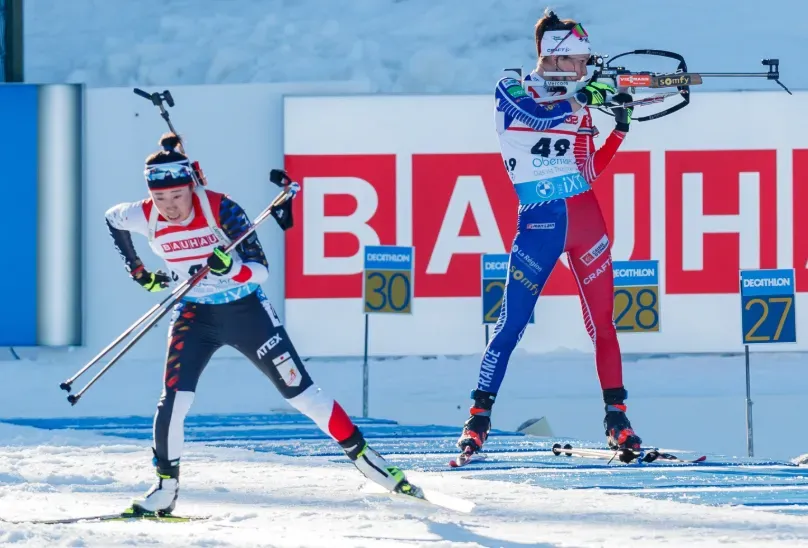
Biathlon Betting Guide
Biathlon combines cross-country skiing with rifle shooting, creating unique betting dynamics where skiing speed must be balanced against shooting accuracy. The sport features multiple race formats: individual (20km men/15km women with 5 shooting stages), sprint (10km men/7.5km women with 2 shooting stages), pursuit (12.5km men/10km women with 4 shooting stages), and mass start (15km men/12.5km women with 4 shooting stages), plus relay events.
Biathlon betting requires understanding how shooting penalties impact race outcomes, with missed shots adding time penalties or forcing penalty loop skiing.
Biathlon Market Types
Event winner moneylines range from -150 to +200 on favorites depending on field depth. Podium betting offers approximately +120 to +250 on top contenders given shooting variance affecting exact placement order. Shooting accuracy props include over/under on total penalties across all competitors, specific athlete shooting percentage, and perfect shooting (0 penalties) yes/no at typically +250 to +400 odds. Nation medal count futures for biathlon traditionally favor Norway, Germany, France, and Sweden.
Key Biathlon Betting Factors
Shooting accuracy variance creates the defining betting factor in biathlon, with missed shots dramatically altering race outcomes. Individual format adds one minute per missed shot, while sprint format requires 150-meter penalty loops per miss.
Historical data shows correlation between shooting success and final placement—athletes missing 2+ shots rarely reach podiums regardless of skiing speed, while athletes shooting perfectly regularly reach top-5 finishes despite average skiing.
Weather impacts both skiing speed and shooting accuracy, with wind conditions affecting rifle stability and cold temperatures affecting finger dexterity and breathing control. Strong winds (15+ mph) typically increase miss rates 20-30% across entire field, creating more random outcomes favoring athletes whose strength is shooting consistency under difficult conditions. Betting on shooting specialists increases value in windy forecasted conditions.
Course profiles affect race tactics, with hilly courses rewarding powerful skiers capable of maintaining speed on climbs while flat courses favor technical skiers with efficient striding. Shooting ranges at different venues face different wind patterns based on local topography, making venue-specific shooting statistics more predictive than season-long averages.
Biathlon Betting Strategies
Betting on shooting specialists (sub-85% career accuracy) provides value over pure skiing speed specialists in championship formats where pressure affects accuracy more than training.
Olympic competitions show 5-8% worse shooting accuracy compared to World Cup regular season, making inherently accurate shooters more valuable than speed-focused athletes with shakier shooting.
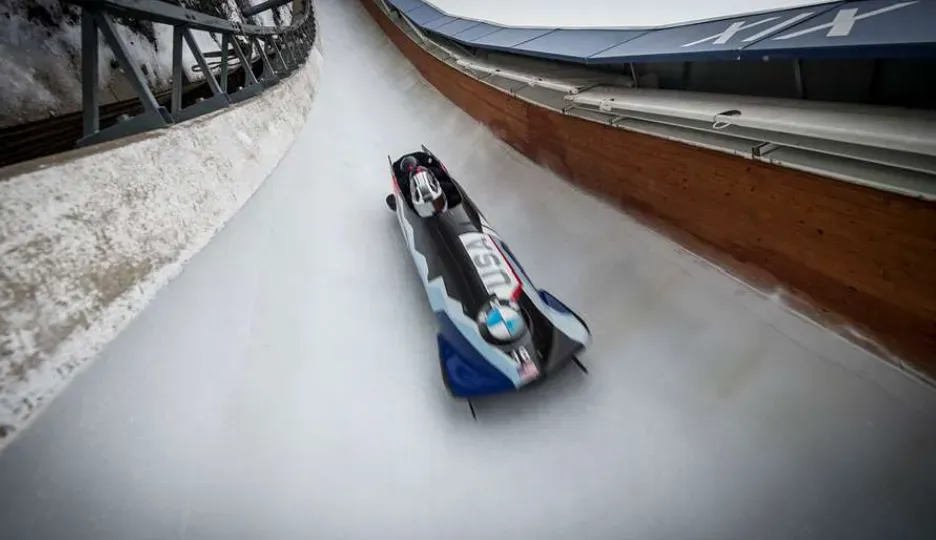
Bobsled Betting Guide
Bobsled features four Olympic events: two-man, four-man, two-woman, and monobob (women’s individual), contested over multiple heats with combined times determining final standings.
Betting dynamics focus on pilot skill, push starts, sled equipment quality, and track condition changes across heats. Germany, Canada, USA, and Latvia historically dominate bobsled medals, creating favorite-heavy betting markets.
Bobsled Market Types
Event winner moneylines show heavy favorites typically -200 to -400 in two-man and four-man where elite pilots with optimal equipment possess significant advantages. Podium betting offers alternative at +100 to +200 on top sleds given small time margins separating medal positions. Head-to-head sled matchups pair similar-quality teams at -110/-110 odds. Heat winner betting creates fresh markets for each individual heat rather than combined results.
Key Bobsled Betting Factors
Pilot experience and track knowledge create the primary advantage factor, with veteran pilots who’ve run specific tracks frequently demonstrating superior line selection and split times. Milan-Cortina 2026 bobsled track specifics will determine which pilots have venue familiarity advantages.
Push crew strength matters significantly in four-man bobsled where starting speed contributes approximately 30% to final times. Teams featuring world-class sprinters from track and field backgrounds show consistent start advantages translating to faster overall times on power tracks with limited technical turning requirements.
Equipment quality varies by nation based on sled development programs, with Germany’s BMW-designed sleds and the USA’s sophisticated runner materials creating measurable performance advantages. Historical data shows German sleds averaging 0.08-0.12 seconds faster than field-average equipment across four heat competitions, accumulating to 0.32-0.48 seconds total advantage.
Bobsled Betting Strategies
Betting after first heat results allows assessment of track conditions, starting positions, and pilot performance under actual race conditions. Odds adjust significantly after heat one based on time margins, creating value opportunities on sleds performing better or worse than expected in opening runs.
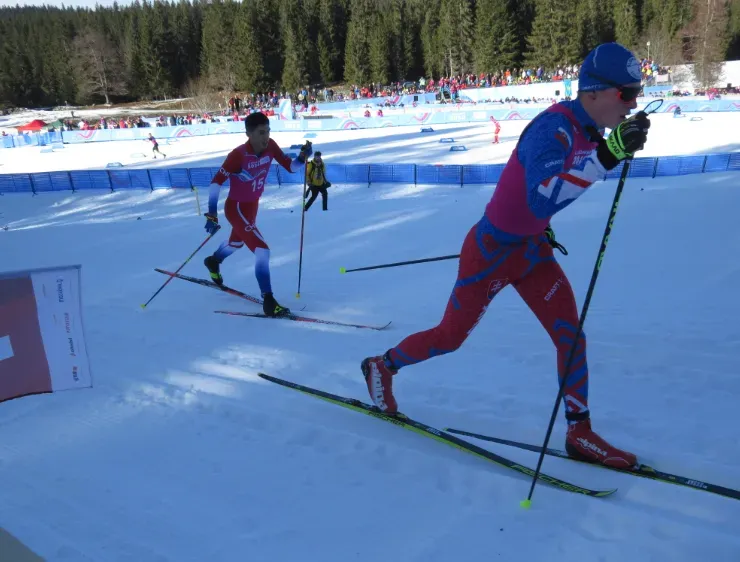
Cross-Country Skiing Betting Guide
Cross-country skiing features multiple race formats and distances from sprint (1.4km) to ultra-distance (50km), using both classic and freestyle techniques. Olympic events include individual distance races, sprint races, relay competitions, and pursuit formats.
Norway dominates cross-country skiing with consistent medal production, but Russia, Sweden, Finland, and Germany provide competition creating meaningful betting markets.
Cross-Country Market Types
Distance race moneylines range from -250 favorites (Norwegian stars in key events) to +150 to +300 in competitive events. Sprint race betting shows more balanced odds given higher variance in tactical head-to-head competitions.
Podium betting offers value in distance races where medal separation exceeds 10-15 seconds but top-5 separation measures only 5-8 seconds. Relay betting focuses on nation strength across four athletes rather than individual capabilities.
Key Cross-Country Betting Factors
Waxing strategy affects race outcomes significantly, with ski preparation for specific snow conditions creating speed differentials up to 3-5%. Teams with superior wax technicians gain measurable advantages, though waxing quality remains difficult to assess pre-race.
Altitude training adaptations impact distance race performance, with athletes training at altitude showing improved oxygen efficiency in races exceeding 30 minutes duration. Norwegian and Russian programs emphasize altitude training camps creating physiological advantages in 30km and 50km events.
Course profiles favor different athlete types—hilly courses reward powerful uphill skiing while flat courses favor technically efficient striders. Milan-Cortina course elevation profiles will determine which athletes’ physiological and technical profiles match venue demands.
Cross-Country Skiing Betting Strategies
Norwegian depth in cross-country skiing creates reliable nation medal count over betting, with Norway historically winning 30-35% of available cross-country medals. Betting Norway cross-country medal count overs provides consistent value given program depth across multiple athletes and events.
Sprint race tactical betting requires understanding quarterfinal qualification formats, with some athletes employing conservative pace in early rounds to conserve energy for finals. Live betting during semifinals creates opportunities assessing which athletes peak tactically versus athletes showing fatigue from aggressive early rounds.
Curling Betting Guide
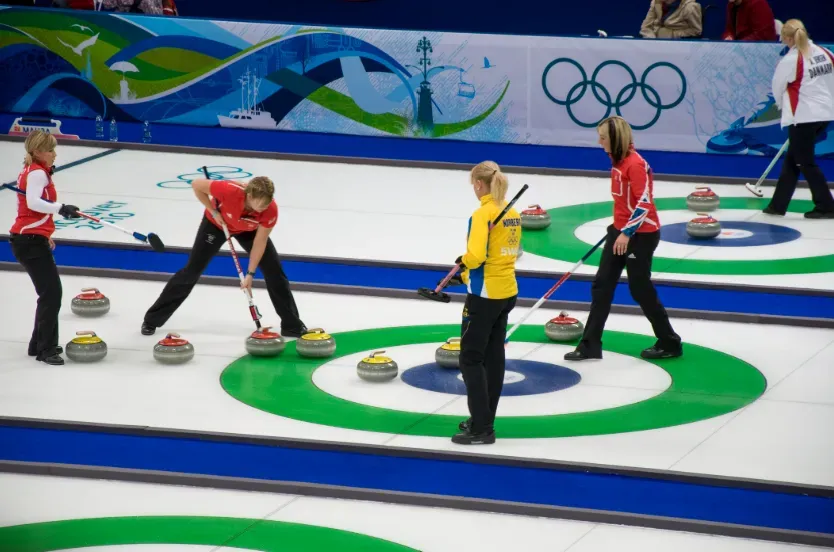
Curling features men’s, women’s, and mixed doubles tournaments with round-robin pool play followed by knockout playoff rounds. Betting dynamics focus on last-stone advantage (hammer), player shot accuracy, strategic stone placement, and team communication.
Canada, Sweden, Switzerland, and Great Britain historically dominate curling medals, creating favorite-heavy markets in most matchups.
Curling Market Types
Match moneylines range from -200 to +150 depending on team strength disparities. End betting creates new markets every 10-15 minutes as ends complete, betting on which team scores points or whether end blanks. Total points over/under predictions range 10-14 typically.
First stone betting creates simple 50/50 market on which team scores first. Live betting includes stone accuracy over/under and hammer advantage futures (which team will hold hammer in decisive ends).
Key Curling Betting Factors
Hammer advantage (holding last stone in end) creates 60-65% probability of scoring points in that end based on historical data, making hammer strategy critical to match outcomes. Teams typically blank ends when scoring only one point with hammer in order to retain hammer for subsequent ends where multiple-point opportunities exist.
Ice conditions affect stone curl behavior, with different venues showing varying curl characteristics based on ice temperature, pebble application, and venue-specific ice-making traditions. Teams with venue experience demonstrate better stone weight judgment and line selection.
Shot accuracy percentages shown in broadcasts provide real-time data for live betting decisions. Teams executing 85%+ accuracy historically win approximately 75% of matches, while teams below 75% accuracy lose similar percentages. Live betting opportunities exist when accuracy percentages diverge significantly between teams.
Curling Betting Strategies
Betting on favorites in round-robin pool play provides value, as stronger teams prioritize securing playoff positions over experimenting with lineups or stone strategies. Playoff rounds show increased parity as pressure affects execution, creating value on underdog teams with championship experience.
End-by-end live betting creates frequent opportunities, with odds updating after each end’s stone sequence completes. Betting on teams regaining hammer after losing points in previous ends historically shows positive expected value given tactical advantages from last stone positioning.
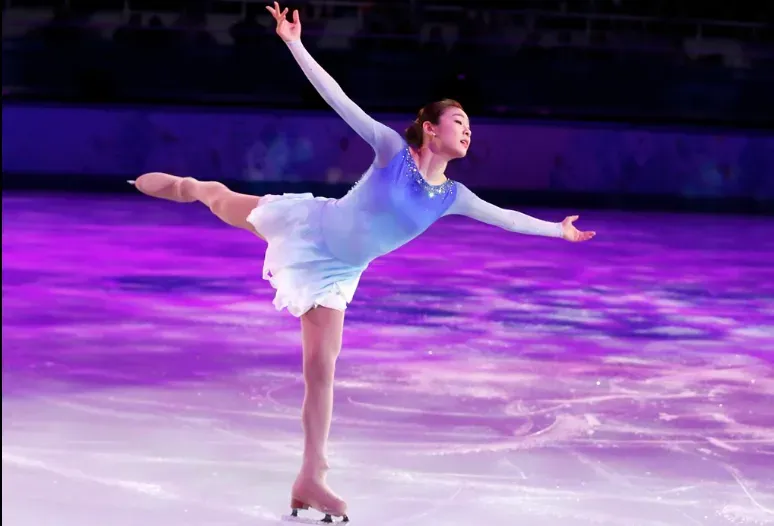
Figure Skating Betting Guide
Figure skating encompasses men’s singles, women’s singles, pairs, and ice dance competitions, with short program and free skate determining final placements through combined scores.
Judging subjectivity creates betting complexities compared to purely time-based or head-to-head sports, requiring understanding scoring systems including technical element base values, grade of execution (GOE), and program components (presentation, skating skills, interpretation).
Figure Skating Market Types
Event winner moneylines range from -150 to -300 favorites in events with clear gold medal favorites to +125 to +250 in competitive fields with multiple realistic winners. Podium betting offers plus-money on favorites to reach top-3 rather than requiring exact gold medal finish.
Technical score over/under props predict total base value plus GOE for technical elements. Program component score predictions bet on artistic impression scoring. Head-to-head skater matchups pair similar-ability competitors focusing on relative placement rather than absolute scores.
Key Figure Skating Betting Factors
Technical element difficulty directly correlates with scoring potential, with quad jumps in men’s singles and triple axels in women’s singles providing 8-12 point advantages when executed successfully. Program construction strategy balances difficulty with execution consistency, as failed quad attempts score fewer points than cleanly executed triple jumps.
Judging panel composition affects scores, with nationality biases documented in historical data showing judges awarding slightly higher program components to skaters from their own or allied nations. Panel diversification rules limit but don’t eliminate these biases, making pre-competition judge panel analysis relevant to betting decisions.
Short program results heavily influence free skate betting odds, with strong short programs creating momentum and favorable placement positions for free skate. Historical data shows skaters leading after short programs maintain position 65-70% of time, indicating significant predictive value.
Figure Skating Betting Strategies
Betting on technically reliable skaters in short programs provides value over artistic specialists, as short programs emphasize technical elements while free skates balance technical and artistic components. Technical consistency proves more predictable than artistic score variation affected by subjective judging.
Post-short-program live betting odds on free skate often overreact to short program results, creating value on strong free skate specialists who underperformed in short programs. Historical data shows athletes in 4th-6th place after short programs reach podium approximately 25-30% of time in competitive fields, while live betting odds frequently price these outcomes at only 10-15% probability.
Freestyle Skiing Betting Guide
Freestyle skiing encompasses moguls, aerials, ski cross, halfpipe, and slopestyle events featuring technical tricks, aerial maneuvers, and racing elements. Betting dynamics vary dramatically by discipline, with moguls and aerials judged subjectively while ski cross operates on head-to-head racing format. USA, Canada, Australia, and France historically show strength across freestyle disciplines.
Freestyle Market Types
Event winner moneylines range from -150 to +250 depending on competitive depth, with moguls and aerials showing favorite-heavy markets reflecting judging consistency while ski cross and slopestyle show balanced fields.
Podium betting offers value in judged events where score ranges create podium clusters. Qualification round betting creates separate markets before finals. Heat winner betting in ski cross provides odds on each quarterfinal and semifinal heat.
Key Freestyle Betting Factors
Judging criteria favor specific trick combinations and style preferences varying by event and judging panel. Moguls emphasize turn technique, air form, and speed, while aerials prioritize rotation count, form, and landing. Understanding scoring rubrics identifies which athletes’ technical approaches match judging preferences.
Weather impacts trick selection, with high winds making aerial maneuvers dangerous and leading to reduced difficulty programs across entire field. Cold temperatures affect landing impacts in aerials, potentially causing more falls. Betting when weather forecasts predict difficult conditions favors execution-consistent athletes over maximum-difficulty specialists.
Ski cross racing format creates pure speed competition in head-to-head heats, with starting position advantages and crash risk creating volatile outcomes. Historical data shows approximately 30% of ski cross heats include crashes removing athletes from competition, making conservative skiing strategy viable in early rounds versus aggressive tactics in finals.
Freestyle Skiing Betting Strategies
Betting on execution specialists in judged events provides value over maximum-difficulty athletes in championship pressure situations. Olympic competitions show increased conservative strategy compared to World Cup season, with athletes prioritizing landing consistency over style progression.
Ski cross betting requires bracketing understanding, as quarterfinal and semifinal matchups significantly affect advancement probability. Strong athletes matched against weak qualifiers in early heats receive significant final advancement probability not always reflected in outright winner odds.

Ice Hockey Betting Guide
Ice hockey represents the highest-profile and highest-betting-volume Winter Olympics sport, featuring men’s and women’s tournaments with round-robin pool play followed by single-elimination knockout playoffs.
Betting markets show the deepest variety of any Olympic sport including traditional hockey markets adapted for international tournament formats with modified rules, larger ice surfaces, and national roster construction compared to NHL hockey.
Olympic Hockey Tournament Format
Men’s and women’s tournaments feature similar structures with national teams divided into pools (typically three pools of four teams) for round-robin preliminary play. Each team plays all pool opponents with standings determined by points (2 for regulation win, 1 for overtime/shootout loss, 0 for regulation loss).
Top teams from each pool plus best remaining teams (based on record and tiebreakers) advance to single-elimination playoff brackets. Seeding for playoffs based on preliminary round performance affects bracket positioning and potential matchups.
Pool play games show lower scoring and more defensive play compared to knockout rounds, as teams prioritize securing playoff qualification over goal differential. Tactical implications affect betting strategy, with favorites often winning conservatively by one goal rather than dominating score lines.
Hockey-Specific Betting Markets
Moneylines separate regulation outcomes from full-game results, with three-way moneylines covering regulation only (Team A, Team B, Draw) while two-way moneylines include overtime and shootout. Regulation betting shows tighter odds reflecting higher draw probability (approximately 15-20% of Olympic hockey games end tied after regulation) versus two-way betting pricing in eventual winner.
Puck lines apply spread betting to hockey with standard -1.5 goals favorite and +1.5 goals underdog creating alternatives to moneylines. Olympic hockey shows less frequent blowouts than NHL hockey, making +1.5 underdogs valuable with approximately 60-65% covering rate historically. Alternative puck lines (-2.5, +2.5, -3.5, +3.5) offer varied risk-reward options with corresponding odds adjustments.
Total goals over/under markets typically range from 4.5 to 6.5 depending on team defensive strength and playing styles. Olympic hockey averages slightly lower scoring than NHL due to more defensive-focused strategies in tournament setting. Weather affects outdoor games when applicable, with cold temperatures creating faster ice and higher scoring potential.
Period betting creates three separate markets per game, betting on regulation period outcomes independently. First period betting shows most balanced odds as teams employ conservative opening strategies, while third period betting reflects score situation and momentum. Live period betting during games creates frequent opportunities responding to goal scoring and momentum shifts.
Team to score first markets offer approximately +200 both sides, with correlation to final game outcome—teams scoring first win approximately 65-70% of Olympic hockey games. Player props include anytime goal scorer (typically +200 to +600 on star forwards), specific player points (goals + assists) over/under, and goaltender saves over/under.
Olympic Hockey vs NHL Betting Differences
Larger ice surface in international hockey (200×98 feet versus NHL 200×85 feet) creates more open play with less physical grinding, favoring skill players and puck possession teams over physical forechecking styles. European-trained players typically show advantages on larger ice surfaces compared to North American-trained players more accustomed to smaller NHL rinks.
IIHF rules differ from NHL including no shootout bonus point in regulation ties during pool play, different video review processes, and stricter physical contact penalties. These rule differences create slightly lower scoring environments than NHL hockey.
International goaltending crease dimensions and enforcement differ from NHL, with more liberal interpretations of goaltender interference creating additional net-front opportunities for scoring. This affects total goals betting with slight upward adjustment from NHL-based predictions.
Tournament dynamics create different motivation structures than regular season NHL, with pool play games balancing win importance against injury risk for playoffs. Teams already qualified for playoffs sometimes rest stars in final pool play games, creating opportunities betting on underdogs receiving unexpected lineup advantages.
Strategic Hockey Betting Approaches
Pool play value betting on underdogs provides positive expected value given conservative strategies employed by favorites. Teams like Switzerland, Czech Republic, and Slovakia historically cover puck lines at 60%+ rates despite losing majority of games outright, making +1.5 underdog betting mathematically favorable.
Playoff bracket futures allow betting on specific teams to reach finals or win tournaments at odds ranging from +150 favorites (Canada, USA, Russia) to +800 to +1500 mid-tier contenders. Bracket analysis identifying potentially favorable playoff matchups creates value, as pool play seeding determines first knockout opponents significantly affecting advancement probability.
Live betting during games requires monitoring shot attempt differentials and goaltender save percentages. Teams dominating shots but trailing on scoreboard create value on moneylines and puck lines if goaltending variance explains score discrepancy. Historical data shows sustained shot advantages correlate with eventual goals over sufficient sample periods.
Goaltender performance emphasis matters more in Olympic hockey than NHL given single-elimination playoff format where single game variance determines advancement. Betting on teams with hot goaltenders showing .930+ save percentages in pool play provides value for playoff rounds where goaltending steals games.

Luge Betting Guide
Luge features men’s singles, women’s singles, doubles, and team relay events with athletes racing feet-first down ice tracks reaching speeds exceeding 80 mph. Multiple heats determine final standings through combined times, with hundredths-of-second margins separating medal positions. Germany and Austria historically dominate luge, creating favorite-heavy betting markets.
Luge Market Types
Event winner moneylines show heavily favored German and Austrian sliders at -200 to -400 odds in singles events, with doubles and team relay showing slightly more competitive fields. Podium betting offers alternative market at +100 to +200 on top sliders. Heat winner betting creates fresh markets for each run. Winning time over/under props predict gold medal performance times.
Key Luge Betting Factors
Start positioning affects times measurably, with earlier start positions facing cleaner track conditions while later starters encounter slightly rutted courses. However, track temperature warms throughout competition potentially creating faster ice for later starters, creating offsetting effects requiring venue-specific analysis.
Equipment optimization varies by nation with German sled technology and runner materials providing consistent advantages. Athlete steering precision matters on technical track sections with tight turns requiring optimal lines.
Luge Betting Strategies
Betting after first heat results provides information on track conditions and slider performance under actual racing circumstances. Odds adjust significantly after heat one, creating value on sliders outperforming or underperforming expectations in opening runs.
Nordic Combined Betting Guide
Nordic combined merges ski jumping and cross-country skiing, with jumping results determining starting position advantages for skiing race. The format creates unique betting dynamics where strong jumpers gain time advantages before skiing begins. Norway and Germany historically dominate Nordic combined, with Austria, Japan, and Finland providing competition.
Nordic Combined Market Types
Event winner moneylines range from -150 to +200 on favorites. Component betting allows wagering on jump competition results separately from final combined results. Head-to-head matchups pair similar-ability athletes. Podium betting offers value given skiing race variance affecting exact placement order.
Key Nordic Combined Betting Factors
Jumping performance creates starting position advantages, with each meter jumped providing approximately 1.5 seconds time advantage in subsequent skiing race. Strong jumpers starting 30-40 seconds ahead of field create significant advantages.
Skiing ability determines whether strong jumpers can defend leads or whether weak jumpers can overcome deficits. Historical data shows strong all-around athletes (top-10 in both disciplines) win approximately 70% of Nordic combined medals.
Nordic Combined Betting Strategies
Betting on all-around specialists provides value over pure jumping specialists, as skiing comprises longer duration and proving more determinative of final results when jumping differentials remain within typical ranges.

Short Track Speed Skating Betting Guide
Short track speed skating features tactical racing on 111-meter indoor oval track with multiple athletes competing simultaneously, creating unpredictable outcomes from crashes, penalties, and late-race passes. Events include 500m, 1000m, 1500m individual races plus relay competitions. China, South Korea, Canada, and Netherlands historically show strength, with frequent upsets from tactical racing variance.
Short Track Market Types
Event winner moneylines show balanced fields typically +200 to +400 on favorites given crash risk and tactical unpredictability. Podium betting offers value capturing top-3 finishes in chaotic races. Heat advancement betting focuses on qualifying through preliminary rounds. Nation medal count futures show competitive odds across top countries.
Key Short Track Betting Factors
Starting position impacts tactical options, with inside positions offering shortest racing line but increased crash vulnerability while outside positions provide flexibility for passes. Heat draw analysis identifies which athletes receive favorable starting lanes.
Referee penalties for impeding and contact create significant outcome variance, with approximately 20-25% of heats including penalties affecting final results. Conservative tactical racing sometimes proves optimal strategy.
Short Track Betting Strategies
Betting on experienced championship skaters provides value in playoff rounds, as tactical awareness and clean racing under pressure separate winners from pure speed specialists more vulnerable to penalties.
Skeleton Betting Guide
Skeleton features athletes racing head-first down bobsled/luge tracks, with multiple heats determining final standings through combined times. Great Britain, Latvia, and Germany show historical strength, though competitive depth remains limited creating favorite-heavy betting markets.
Skeleton Market Types
Event winner moneylines show heavily favored sliders at -250 to -500 odds given limited competitive depth. Podium betting offers alternatives at +120 to +200. Heat winner betting creates fresh markets each run.
Key Skeleton Betting Factors
Track familiarity advantages exist for sliders with venue experience, as optimal racing lines require detailed track knowledge. Push start strength affects times measurably, with explosive starts providing 0.10-0.15 second advantages translated through multiple heats.
Skeleton Betting Strategies
Betting after first heat provides information on track conditions and slider performance, with odds adjusting significantly allowing value identification on over/underperformers.

Ski Jumping Betting Guide
Ski jumping features individual normal hill, large hill, and team events with athletes scored on distance and style points. Judging subjectivity creates betting complexities while wind conditions dramatically affect performance. Germany, Austria, Norway, Poland, and Japan historically dominate, with favorite-heavy markets in most events.
Ski Jumping Market Types
Event winner moneylines range from -200 to +150 on favorites depending on competitive depth. Distance over/under props predict winning jump lengths. Style points over/under separate technical scores from distance. Head-to-head matchups pair similar-ability jumpers. Team event betting focuses on nation strength across four jumpers.
Key Ski Jumping Betting Factors
Wind conditions create the dominant performance variable, with tailwinds providing distance advantages while headwinds reduce jump lengths significantly. Wind compensation rules exist but imperfectly account for condition advantages, creating situations where lucky wind draws measurably affect results.
Starting position in competition order matters, as changing weather creates advantages for athletes jumping in optimal conditions. Wind speed and direction data shown in broadcasts inform live betting decisions.
Ski Jumping Betting Strategies
Betting after qualification rounds provides information on current jumping form and wind condition impacts, with odds adjusting based on qualification results allowing value identification.

Snowboarding Betting Guide
Snowboarding encompasses halfpipe, slopestyle, big air, parallel giant slalom, and snowboard cross events spanning judged trick competitions and racing formats. The USA, Canada, Australia, and European nations show distributed strength across disciplines.
Snowboarding Market Types
Event winner moneylines vary dramatically by discipline—judged events show -150 to +200 favorites while racing events feature balanced fields +200 to +400. Podium betting offers value in judged events where scoring ranges cluster. Qualification betting separates preliminary from finals. Heat winner betting in snowboard cross creates odds for each race bracket.
Key Snowboarding Betting Factors
Judging preferences in halfpipe, slopestyle, and big air favor specific trick combinations and amplitude levels. Understanding scoring rubrics identifies which riders’ styles match judging committee preferences.
Weather impacts trick selection, with winds making aerial maneuvers dangerous and leading to reduced difficulty programs. Cold temperatures affect landing impacts potentially causing injuries.
Snowboarding Betting Strategies
Betting on execution-consistent riders in judged events provides value over maximum-difficulty specialists who risk crashes attempting boundary-pushing tricks.

Speed Skating Betting Guide
Speed skating features individual time trial races from 500m sprints to 10,000m distance events on 400-meter indoor ovals. The Netherlands dominates speed skating historically, with Norway, USA, Canada, and Japan providing competition. Lane draw assignments affect times measurably.
Speed Skating Market Types
Event winner moneylines show heavily favored Dutch skaters at -200 to -400 odds in multiple events, with distance races showing more competitive fields. Podium betting offers alternatives at +100 to +200. Time over/under props predict winning performances. Head-to-head matchups pair similar-ability skaters. Nation medal count futures show the Netherlands’ dominance.
Key Speed Skating Betting Factors
Lane draw impacts times significantly, with inner versus outer lane assignments showing measurable differences based on when ice conditions are optimal during competition. Historical data quantifies lane advantages at specific venues.
Skating technique specialization separates sprinters from distance skaters, with different physiological profiles and training approaches. Betting requires matching athlete specialization to event distances.
Speed Skating Betting Strategies
Dutch speed skating depth creates reliable nation medal count over betting, with the Netherlands historically winning 25-30% of available speed skating medals. Betting the Netherlands medal count overs provides consistent value given program supremacy.
Winter Olympics Betting Strategy and Bankroll Management
Winter Olympics betting differs fundamentally from traditional season-long sports betting in bankroll management, research requirements, and strategic approaches due to the compressed 16-day competition schedule featuring 109 medal events across 15 sports.
Successful Olympics betting requires adapting bankroll allocation strategies, understanding futures timing, managing sleep schedules for time zone differences, and avoiding common mistakes specific to Olympic wagering.
Standard bankroll management recommends 1-2% of total bankroll per individual bet for season-long sports betting, but Winter Olympics compressed schedule requires different allocation approaches.
Recommended strategy allocates 30-40% of total Olympics budget to pre-Games futures bets on medal counts and event winners, 40-50% to daily event betting during the 16-day period, and 10-20% held in reserve for live betting opportunities and hedging positions. This allocation prevents over-concentration in futures while ensuring sufficient capital.
State-by-State Winter Olympics Betting Availability
Legal sports betting access varies by state, and that difference affects Winter Olympics coverage in two practical ways: (1) which operators can legally offer Olympic markets, and (2) whether betting is available online, retail-only, or limited by specific local rules. Even where sports betting is legal, not every sportsbook offers the same depth across all Olympic disciplines, and some states restrict certain bet types.
Because Winter Olympics events run on a dense schedule across many sports, online and mobile access tends to matter more than it does for a single-league season. A bettor in a retail-only state may have fewer practical opportunities to access live markets tied to European morning start times.
A second constraint is platform availability by jurisdiction. Some operators are present in many states but may have narrower coverage for niche Olympic events, while others are available in fewer states yet offer deeper menu breadth. State-level availability therefore influences both convenience and the realistic set of markets a bettor can access during Milan–Cortina 2026.
The table below is designed as a publishing-ready structure. Exact legality counts and operator lists should be validated against the current internal state pages before publication.
| State | Sports Betting Legal | Online/Mobile | Retail-Only | Notes for Winter Olympics Betting |
|---|---|---|---|---|
| New York | Yes | Yes | No | Large handle; markets typically robust on major events |
| New Jersey | Yes | Yes | No | Mature market; broad operator choice |
| Pennsylvania | Yes | Yes | No | Strong mobile adoption; broad brand coverage |
| Nevada | Yes | Limited | Yes | Retail-first structure affects live betting practicality |
| Massachusetts | Yes | Yes | No | Competitive market; major brands present |
| Michigan | Yes | Yes | No | Strong online coverage; verify operator menus for niche sports |
| Illinois | Yes | Yes | No | High-volume market; mobile access supports live betting |
| Colorado | Yes | Yes | No | Broad operator availability; verify time-zone live access stability |
| Arizona | Yes | Yes | No | Major operators active; confirm Olympics market depth |
| Virginia | Yes | Yes | No | Mobile-led; confirm niche event menus |
New York Winter Olympics Betting
New York generally provides wide online access and strong liquidity for high-profile Winter Olympics markets, particularly ice hockey, figure skating, and alpine skiing. Market depth for smaller disciplines can vary by operator, with the most complete menus typically appearing closer to the Games as public demand concentrates attention.
Promotional visibility also tends to increase around marquee events, but the practical differentiator for Olympic betting is functional: stable mobile performance during early-morning event windows and consistent live-market availability for events that allow it.
Where state rules affect bet types or data access, operators may restrict certain live markets or prop formats. Any state-specific constraints should be stated plainly on-page, using “as of [Month Year]” qualifiers.
Pennsylvania Winter Olympics Betting
Pennsylvania’s competitive operator environment typically translates into broad coverage on the most popular Olympic events and a high likelihood of multiple apps posting comparable markets. The strongest value for readers is clarity on which operators tend to list deeper menus beyond hockey and skating.
In practice, Olympic betting in Pennsylvania is most defined by app performance and market navigation. With simultaneous events across 15 sports, interface design affects speed of access to lines during live windows.
New Jersey Winter Olympics Betting
New Jersey’s mature market structure generally supports comprehensive Olympic offerings from multiple major sportsbooks. When the event schedule overlaps, the ability to locate specific disciplines quickly matters as much as headline odds.
If this page includes screenshots elsewhere, New Jersey is typically a clean example for demonstrating where Olympic hubs appear in-app and how markets are grouped by sport.
Nevada Winter Olympics Betting
Nevada’s structure often makes Olympic betting more dependent on retail access and in-person workflows, which can reduce practical participation in live markets tied to European morning sessions. Readers benefit from a factual explanation of how retail access changes the cadence of Olympic wagering versus mobile-first states.
Because of these differences, Nevada sections should emphasize how to plan around event timing and grading, rather than focusing exclusively on market variety.

Historical Winter Olympics Betting Trends
Winter Olympics betting patterns differ from league betting because Olympic markets concentrate liquidity into a short window and because many events are unfamiliar to general audiences. Historically, the deepest markets are consistently found in ice hockey, figure skating, alpine skiing, and—depending on operator—selected speed skating and snowboarding events.
Across prior Games, two repeatable dynamics appear. First, public attention tends to over-concentrate on a small number of marquee events, tightening pricing efficiency on those markets and leaving less-followed disciplines with wider spreads and less stable lines. Second, late-breaking news (injuries, equipment decisions, course conditions, judging panel composition) can move odds quickly, especially when markets are thin.
The goal of the historical section is not prediction, but calibration: it frames where market depth is typically highest, where volatility is structurally elevated, and why timing matters for futures versus day-of markets.
Beijing 2022 Winter Olympics Betting Insights
Beijing 2022 illustrated how strongly Olympic market depth varies by sport. Ice hockey and figure skating drew the most diverse bet menus and the largest live-betting footprint, while many smaller disciplines were limited to outrights or podium markets.
It also demonstrated that “headline-event efficiency” tends to tighten odds and reduce pricing mistakes in the highest-volume events. In contrast, niche events often saw less consistent market availability, with some sportsbooks listing only select medal markets.
A practical takeaway is that Olympic bettors often experience a two-tier market ecosystem: deep, fast-updating markets in marquee sports and thinner, slower markets elsewhere.
PyeongChang 2018 Winter Olympics Betting Insights
PyeongChang 2018 reinforced the same structural pattern: high liquidity in marquee sports and uneven breadth for niche disciplines. It also highlighted how tournament formats shape betting access—particularly in ice hockey, where pool play and knockout stages create different incentive landscapes and different live-betting profiles.
For content quality, the key lesson is structural explanation: why the market menu looks different in a judged event versus a timed event, and why some sports lend themselves to props while others do not.
Nation Medal Count Trends (1998–2022)
Medal count markets are typically priced using a combination of historical program strength, recent international circuit results, and expected roster depth. The most stable predictors tend to be nations with broad pipelines across multiple disciplines rather than nations dependent on a small cluster of stars.
On-page, this section works best as neutral interpretation guidance: medal count futures summarize broad expectations, but they remain probabilistic and sensitive to injuries, weather, judging variance, and schedule clustering.
Sport-Specific Historical Patterns
Certain sports historically produce higher variance (judged events, head-to-head chaotic formats) than timed multi-heat formats where top athletes can recover across runs. In betting terms, that often maps to wider dispersion of implied probabilities and more frequent late repricing.
This subsection should remain descriptive: why structure, scoring, and format change the stability of odds—without attempting to “teach strategy” or recommend bets.
How Past Olympics Inform 2026 Context
Historical trends primarily inform expectations about market availability and volatility rather than predicting winners. The most consistent value is expectation-setting: where live betting is likely to be offered, where props are likely to be extensive, and where coverage may remain limited to outrights.
Mobile Betting for Winter Olympics
Mobile access is unusually central for Winter Olympics betting because events run across multiple venues and time windows, with many competitions starting during European mornings. App navigation quality becomes a functional constraint when multiple sports run simultaneously and when markets are time-sensitive.
Two usability points matter most: whether the app offers an Olympics hub that groups markets by discipline, and whether it provides stable live updates without delays or crashes during peak concurrency.
For content completeness, this section should also clarify that watching live streams and betting live are not the same feature. Some sportsbooks provide streaming for select events, while many rely on external broadcast rights; the practical requirement is reliable score and timing feeds, not necessarily in-app video.
Best Mobile Apps for Olympics Betting
This subsection can point back to the sportsbooks already profiled earlier on the page and explain which app features matter for Olympic navigation: sport filters, event calendars, fast loading of niche disciplines, and stable live refresh.
If the page already includes screenshots of sportsbook Olympic interfaces, this is the natural place to contextualize them: what the reader is seeing and why it matters during event density.
Mobile-Specific Features for Olympics
Common features to describe factually include: event reminders, favorite sport pinning, futures tracking dashboards, cashout availability on select markets, and stable live refresh intervals.
These should be framed as functional descriptions rather than endorsements.
Managing Time Zones on Mobile
The six-hour difference between Italy and the U.S. East Coast affects when live windows occur. A factual explanation belongs here: many marquee events may occur during early U.S. morning hours, and the densest event blocks can overlap.
This section should also mention that odds availability can lag on some niche events until closer to start time, which compounds the planning effect of time zones.
Data Usage and Streaming Considerations
Where live streams are used, mobile data consumption can be significant. Even without streaming, constant live refresh and market browsing can increase usage. The practical guidance is informational: stable connectivity reduces bet placement errors during fast-moving windows.
Responsible Winter Olympics Betting
Responsible play matters more during the Winter Olympics because the event density can create frequent decision points across many sports. A short, neutral section can explain that the compressed schedule increases exposure to variance, rapid results, and the temptation to “follow the slate” across unfamiliar disciplines.
Sportsbooks generally provide tools such as deposit limits, time limits, wager limits, cool-off periods, and self-exclusion. The function of this section is to describe those tools and provide help resources—without moralizing.
Setting Limits
Limit-setting is most useful before the Olympic schedule begins, because the two-week event cadence can encourage impulsive participation. This subsection should describe limits as a standard consumer protection feature.
Recognizing Problem Gambling Signs
A short, factual list can be included (chasing losses, betting beyond affordability, hiding activity, distress). Keep tone neutral and non-accusatory.
Sportsbook Responsible Gaming Tools
Describe tools generally: deposit limits, wager limits, time-outs, self-exclusion, and responsible gaming pages within apps.
Self-Exclusion Options
Explain that self-exclusion is available through operators and sometimes through state programs, depending on jurisdiction.
Problem Gambling Resources
Include the standard resource list used on the site footer or responsible gaming page, aligned to compliance style.
Conclusion
Milan–Cortina 2026 creates a distinctive sports betting environment because the Winter Olympics compress 15 sports and 109 medal events into a short schedule where market availability varies sharply by discipline. The deepest betting menus typically cluster around marquee sports such as ice hockey, figure skating, and alpine skiing, while lower-profile disciplines often receive limited markets focused on medal outcomes.
Sportsbook choice matters for Winter Olympics betting because it influences market breadth, live-betting functionality, navigation during concurrent events, and stability during high-traffic windows. Operator differences are most visible in two areas: how comprehensively niche events are covered and how usable the mobile experience remains when many competitions run simultaneously.
Interpreting Olympic odds requires particular attention to structure. Timed events, judged events, multi-heat formats, and tournament formats each create different types of uncertainty, different live constraints, and different settlement mechanics. Market signals should be treated as probabilities shaped by liquidity and information flow rather than as forecasts with certainty.
A responsible approach remains essential in an event-dense schedule where outcomes can swing quickly and unfamiliar sports can encourage impulsive participation. Responsible gaming tools, clear limits, and jurisdiction-aware compliance information are part of delivering a complete Winter Olympics betting guide.
Key Takeaways
- Milan–Cortina 2026 runs Feb. 6–22, 2026 across Milan and Cortina d’Ampezzo.
- The Games include 15 sports and 109 medal events.
- Market depth is highest in ice hockey, figure skating, and alpine skiing.
- Many niche sports are limited to outrights/podiums on some platforms.
- Live betting availability varies by sport, operator infrastructure, and state rules.
- Olympic betting differs from league betting due to compressed schedule and multi-sport breadth.
- Mobile navigation quality is a functional differentiator during overlapping events.
- Medal futures aggregate broad expectations and remain sensitive to variance drivers.
- Judged events introduce scoring uncertainty that can affect market stability.
- Time zones shift many live windows into early U.S. morning hours.
- Platform stability matters during peak concurrency and high traffic.
- Responsible gaming tools and clear limits are especially relevant during Olympics cadence.
Winter Olympics Betting FAQs
1) Why do some Winter Olympics events not appear on all sportsbooks?Sportsbooks decide which events to list based on expected demand, data reliability, and risk management. Niche disciplines with limited international data or inconsistent judging standards are more likely to be excluded or offered only as futures.
2) Why do odds sometimes appear very close together for Olympic favorites?In events with limited historical depth or small competitive fields, sportsbooks often compress pricing to manage uncertainty. This is especially common in judged sports or disciplines dominated by a small number of elite athletes.
3) Do sportsbooks price Olympic events differently than regular-season sports?Yes. Olympic markets typically rely more heavily on international competition results, federation rankings, and qualification events rather than domestic league data. This often results in wider uncertainty bands, especially early in the Games.
4) Why do Olympic betting lines move sharply after qualification rounds?Qualification heats provide real-time performance confirmation under Olympic conditions. Even small differences in execution, equipment setup, or course familiarity can materially affect implied probabilities once official competition begins.
5) Are Winter Olympics betting markets more volatile than Summer Olympics markets?Generally, yes. Winter sports often involve environmental variables such as ice quality, snow conditions, wind, and temperature, which introduce additional randomness compared to many Summer Olympic events.
6) Why are judged sports considered harder to price accurately?Judged sports rely on subjective scoring systems that can vary by judging panel composition, interpretation emphasis, and execution weighting. This introduces uncertainty that cannot be fully modeled through historical results alone.
7) How do weather conditions affect Winter Olympics betting markets?Weather can influence event scheduling, course difficulty, visibility, and safety decisions. Markets may pause, reopen, or reprice rapidly when weather updates materially affect expected performance outcomes.
8) Why do some Olympic markets close much earlier than others?Markets may close early due to data latency risks, limited live coverage, or the inability to guarantee accurate real-time pricing. This is more common in events with rapid succession heats or limited broadcast feeds.
9) Are Olympic futures priced months in advance reliable indicators?Long-range futures reflect early expectations based on athlete pipelines and historical dominance, but they are highly sensitive to injuries, qualification outcomes, roster changes, and rule interpretations closer to the Games.
10) Why do head-to-head Olympic markets sometimes feel more stable than outright winners?Head-to-head markets isolate relative performance between two competitors, reducing exposure to field-wide variance. They can be easier to price than full-field outcomes in certain disciplines.
11) Do Olympic betting markets account for athlete fatigue across multiple events?Yes, particularly in sports where athletes compete in multiple heats or disciplines. However, fatigue effects are often imperfectly modeled and may only be partially reflected in pricing.
12) Why do some sportsbooks offer medal markets but not gold-only markets?Podium markets reduce variance by grouping top-three outcomes, making them easier to price and manage risk-wise than single-winner markets in volatile fields.
13) How do national team selections impact Olympic betting odds?Final roster announcements can materially affect probabilities, especially in team sports and relay events. Markets often reprice sharply once selections are officially confirmed.
14) Why are live Olympic betting options more limited than pre-event markets?Live betting depends on reliable, low-latency data feeds. Many Winter Olympic events do not provide sufficiently granular real-time data to support continuous live pricing.
15) Do Olympic odds reflect public sentiment more than data?In high-profile events, public interest can influence pricing momentum. However, sportsbooks still anchor odds to internal models, especially where liquidity is concentrated.
16) Why do some Olympic sports have only futures and no event-by-event markets?Sports with long formats or cumulative scoring systems are often better suited to futures markets, as individual event outcomes may be difficult to isolate meaningfully.
17) How do rule changes between Olympic cycles affect betting markets?Even small rule or scoring changes can materially impact athlete advantages. Markets must recalibrate expectations, which can temporarily increase pricing uncertainty early in the Games.
18) Are Olympic betting markets influenced by national bias?Localized betting volume can slightly influence line movement, particularly in domestic-facing sportsbooks. However, risk management systems are designed to prevent persistent bias distortion.
19) Why do some Olympic events settle later than expected?Certain outcomes require official federation confirmation, protest resolution, or judging review before results are finalized. Markets settle only after results are deemed official.
20) How should Olympic betting odds be interpreted overall?Olympic odds represent aggregated expectations under uncertainty, shaped by limited data, environmental variables, and structural constraints. They are probabilistic signals, not predictions.