MMA Betting - The Complete Guide
[provider-comparison section=sport]


MMA betting in the United States has evolved from a peripheral sportsbook offering into a completely integrated, high-liquidity wagering vertical that now competes with traditional American sports for weekly handle. The UFC’s expansion into mainstream broadcasting, the consistent cadence of fight cards across the year, and the state-by-state legalization of online sports betting following the repeal of PASPA have together changed how mixed martial arts is priced and consumed in the betting market.
Unlike NFL or NBA betting, which revolves around team continuity and season-long statistical baselines, MMA is episodic by nature. Each fight is a contained probabilistic event between two athletes whose preparation cycles, injury status, stylistic compatibility, and weight management decisions all converge on a one outcome. There is no regular season average that smooths variance. Every bout is independent. That independence heightens volatility and makes situational analysis.
The American sportsbook ecosystem now offers full-card markets for major promotions including the UFC, the Professional Fighters League, and Bellator MMA. Major events regularly generate deep betting menus that extend well beyond simple moneylines. Method-of-victory props, round totals, significant strike counts, takedown markets, and live in-play betting are now common features across the leading regulated operators. For marquee pay-per-view cards, liquidity is sufficient to sustain sharp action alongside recreational volume, allowing prices to mature into fairly efficient reflections of public and professional sentiment.
This maturation has altered how odds behave. Early lines often open soft, particularly for prelim fights. By midweek, professional bettors shape the market. By Friday and Saturday, public money and last-minute information compress pricing further. The result is a betting product that evolves significantly over the course of five to seven days. Recognizing that progression is central to approaching MMA betting with structure rather than impulse.

The Legal and Regulatory Framework Governing MMA Betting
Sports betting regulation in the United States is handled at the state level, and MMA markets fall under the same statutory structure as other professional sports. Since 2018, the majority of US states have authorized regulated online sportsbooks, and nearly all of them include mixed martial arts among approved wagering categories. This clear regulatory framework has allowed sportsbooks to invest in deeper MMA coverage without uncertainty over legality.
Licensed operators must comply with rigorous identity-verification requirements. Bettors are required to provide personal information during account creation, and geolocation software ensures that wagers are placed within the physical boundaries of a legal jurisdiction. These safeguards are not superficial. They are audited and enforced by state gaming commissions, which possess the authority to levy fines or suspend licenses for non-compliance.
Financial security is just as important. Regulated sportsbooks utilize encrypted payment processing and maintain segregation of operational funds from player balances. Withdrawal processing is subject to Know Your Customer verification, which helps prevent fraud and ensures compliance with anti-money laundering statutes. For MMA bettors, this means that even large event winnings, common during major UFC cards, are processed within a transparent regulatory environment.
Integration of responsible gambling is also mandatory. Deposit limits, session reminders, cooling-off periods, and self-exclusion programs are embedded within sportsbook platforms. Given the episodic intensity of MMA events, where multiple fights unfold in rapid succession, these tools serve as structural safeguards against impulsive escalation. The regulated environment has therefore reshaped MMA betting into a product that is not only more sophisticated, but also more institutionally accountable than it was a decade ago.
How Sportsbooks Price MMA Fights
MMA odds construction starts with quantitative modeling but extends beyond that. Sportsbooks employ internal statistical frameworks that evaluate quantifiable metrics such as significant strike differential, takedown success rate, submission attempts per fifteen minutes, control time averages, and opponent quality history. These models generate initial probability estimates that inform opening lines.
Still, statistics alone cannot capture the entirety of fight dynamics. Stylistic interaction plays an outsized role in MMA. A high-volume striker with weak takedown defense facing a dominant wrestler may have impressive overall metrics but a structurally compromised matchup. Sportsbooks adjust baseline models to reflect these stylistic asymmetries. Camp affiliation, coaching pedigree, five-round experience, altitude training, and historical weight-cut difficulty are also layered into the pricing process.
Once opening lines are released, typically early in fight week, market activity begins to influence pricing. Professional bettors often identify inefficiencies in early numbers, particularly on lower-profile fights where modeling confidence may be thinner. Sharp money forces quick adjustments. By Thursday or Friday, lines often reflect a blend of statistical modeling and informed market correction.
The most volatile period for pricing occurs around official weigh-ins. A fighter who misses weight by several pounds signals compromised preparation or severe dehydration. This directly impacts cardio and durability expectations. Lines can swing dramatically in response. Similarly, late replacement opponents, common in MMA due to injury, introduce uncertainty that forces sportsbooks to widen margins temporarily before re-stabilizing pricing.
By fight night, moneyline pricing on major bouts is typically efficient. Margins are relatively tight compared to niche sports, but method-of-victory and prop markets often retain higher hold percentages. Recognizing where efficiency is highest, and where it remains exploitable, is essential for strategic MMA betting.
The Structural Volatility Unique to MMA Betting
Mixed martial arts exhibits a form of volatility that is fundamentally different from team sports. In football or basketball, a superior team can absorb early mistakes and recover over multiple scoring possessions. In MMA, a one clean strike or submission attempt can terminate the contest instantly. This creates outcome compression, where the true probability gap between favorite and underdog may not reflect the perceived skill gap.
Finish probability can vary considerably by weight class. Heavyweight bouts historically produce higher knockout rates, reducing the likelihood that fights reach judges’ scorecards. Lighter weight classes, particularly flyweight and bantamweight divisions, often generate higher decision percentages due to speed and durability factors. These macro trends influence totals markets and method-of-victory pricing in ways that casual bettors often underestimate.
Judging subjectivity introduces another layer of volatility. While scoring criteria are standardized, covering effective striking and grappling, aggression, and octagon control, interpretation can vary between jurisdictions and individual judges. Split decisions are not uncommon. This uncertainty increases the risk profile of bets that rely on a fight going the distance.
Short-notice replacements add additional unpredictability. Fighters stepping in on limited preparation time may present unknown conditioning levels. Historically, some underdogs in this position have produced strong returns due to market overreaction. Others have faded quickly under pace pressure. Context matters profoundly, and broad generalizations are unreliable.
Taken together, these structural realities mean that MMA betting requires disciplined bankroll management. Variance is not an anomaly in this sport. It is embedded within its architecture. Long-term profitability requires acknowledging that even well-researched positions may be undone by the inherent explosiveness of combat outcomes.
Core MMA Betting Markets and How They Truly Function
On the surface, MMA betting appears simple. Two fighters enter a cage. One leaves as the winner. Yet the simplicity of the outcome masks the complexity embedded within sportsbook market construction. The moneyline remains the core betting market in MMA, but its interpretation demands a deeper understanding of implied probability, stylistic compatibility, and finish dynamics.
The moneyline reflects the sportsbook’s assessment of outright victory probability. Favorites are assigned negative odds, underdogs positive. Still, the gap between -200 and -300 is not merely numerical. It represents a significant shift in implied dominance. Because MMA outcomes can be truncated by sudden finishes, the probability spread between competitors rarely widens to the extremes seen in team sports. Even heavy favorites face inherent knockout or submission risk. This compresses true edge margins and makes exaggerated confidence structurally dangerous.
Method-of-victory markets expand the moneyline into more specific outcome categories: knockout or technical knockout, submission, and decision. These markets are especially revealing because they reflect how sportsbooks interpret stylistic pathways. A wrestler facing a defensively porous striker will often carry a shortened submission price relative to his moneyline. Conversely, a volume striker with strong takedown defense may show compressed knockout odds but elongated decision pricing. The interaction between moneyline and method-of-victory markets can expose inefficiencies, particularly if one pathway appears misaligned with the fighter’s historical tendencies.
Round betting and totals markets add a timing element. Over/Under 2.5 rounds or 3.5 rounds pricing reflects overall finish expectations, which vary by weight class and fight format. Championship bouts scheduled for five rounds inherently alter pacing incentives. Fighters with questionable cardio histories may become more conservative early. Conversely, underdogs sometimes pursue early finishes aggressively to avoid extended exposure. Totals markets therefore embed strategic forecasting rather than simple statistical projection.
The Fight Goes the Distance market functions as a binary abstraction of totals, but with distinct pricing logic. Because it does not specify the winner, it isolates durability and stylistic compatibility. High-level technical strikers with low knockout ratios and strong defensive grappling often inflate this price toward the affirmative. Heavyweight clashes, by contrast, frequently shorten the negative side due to elevated knockout rates. Understanding how these macro weight-class patterns intersect with individual fighter tendencies is essential to evaluating totals-based markets effectively.
Best Sportsbooks for MMA Betting in the US for October 2026
After reviewing and testing dozens of sportsbooks, our team has ranked the best legal sportsbooks for MMA betting in the US based on defined criteria, including fight odds competitiveness, prop bet availability, mobile usability, and payment flexibility. Each platform on this list offers strong coverage of major MMA promotions such as UFC, Bellator, and PFL, along with unique features that improve the overall betting experience.
From fighter props and method-of-victory markets to live round betting, these sportsbooks provide everything MMA bettors need to wager on fight cards across the year.
DraftKings – Best for UFC Fight Props

DraftKings has become one of the most popular sportsbooks for MMA betting thanks to its broad range of UFC betting markets and prop bets. Bettors can wager on moneylines, round totals, method of victory, and detailed fighter props such as knockdowns, takedowns, or fight duration.
The platform regularly features odds boosts and fight-specific promotions for major UFC pay-per-view cards. DraftKings also provides a polished mobile app that allows bettors to easily navigate fight cards, place bets quickly, and monitor live odds during events.
Pros
- Excellent UFC prop betting markets
- User-friendly mobile app for fight card navigation
- Frequent promotions tied to major UFC events
Cons
- Limited availability in some states
- Smaller prop menus for smaller MMA promotions
[provider-bonusbox operator=”453″ section=”sport”]
bet365 – Best for Competitive MMA Odds

bet365 Sportsbook has earned a reputation among MMA bettors for offering highly competitive fight odds and deep betting markets. The sportsbook covers major MMA organizations including UFC, Bellator, PFL, and ONE Championship, giving bettors access to a broad range of international fight events.
The platform also frequently offers odds boosts for headline fights, which can provide enhanced payouts for bettors targeting main-event matchups. bet365’s interface is clean and efficient, allowing bettors to quickly build single bets or parlays across multiple fights on the same card.
Pros
- Competitive odds across major MMA promotions
- Frequent boosted odds on headline fights
- Large selection of global combat sports markets
Cons
- Not available nationwide
- Fewer loyalty rewards compared to competitors
[provider-bonusbox operator=”2″ section=”sport”]
Hard Rock Bet – Best Beginner-Friendly MMA Sportsbook

Hard Rock Bet offers a simple and easy to navigate platform that is ideal for bettors new to MMA wagering. The sportsbook covers major UFC events and provides the core markets most bettors look for, including fighter moneylines, fight totals, and method-of-victory bets.
While the platform’s betting menu is more limited than some competitors, it still offers competitive odds and occasional promotions tied to major fight cards.
Pros
- Clean interface ideal for beginners
- Easy navigation across fight cards
- Simple betting experience
Cons
- Limited prop markets compared to larger sportsbooks
- Restricted availability across the US
[provider-bonusbox operator=”818″ section=”sport”]
FanDuel – Best Mobile Experience for MMA Betting

FanDuel offers one of the strongest mobile betting apps for MMA wagering, with an interface designed for fast bet placement and easy navigation between fights. The sportsbook provides full coverage of UFC events along with multiple betting markets such as fight winner, round betting, and method of victory.
FanDuel frequently offers special promotions tied to major UFC pay-per-view cards, giving bettors enhanced value when wagering on headline fights or building parlays across multiple bouts.
Pros
- Industry-leading mobile betting app
- Excellent UFC fight coverage
- Competitive odds across major fights
Cons
- Limited withdrawal methods
- No shared wallet between sportsbook and casino
[provider-bonusbox operator=”451″ section=”sport”]
Caesars Sportsbook – Best for MMA Betting Variety

Caesars Sportsbook provides a broad range of MMA betting markets, including unique props that go beyond standard fight winner bets. Bettors can wager on round betting, total rounds, submission outcomes, and other detailed markets for major UFC events.
The platform also integrates Caesars Rewards, allowing bettors to accumulate loyalty points while wagering on MMA events.
Pros
- Unique betting formats and markets
- Strong loyalty rewards system
- Good coverage of UFC fight cards
Cons
- Standard odds sometimes slightly less competitive
- Promotions vary by state
[provider-bonusbox operator=”70″ section=”sport”]
BetMGM – Best for Regular MMA Promotions

BetMGM Sportsbook offers strong coverage of UFC events and other MMA promotions, making it a solid option for bettors who follow fight cards across the year. The sportsbook frequently posts early fight odds, allowing bettors to place wagers well before fight night.
BetMGM also runs frequent promotions and odds boosts tied to major UFC pay-per-view events.
Pros
- Strong coverage of UFC and MMA events
- Regular promotions and odds boosts
- Pre-built parlay options
Cons
- Withdrawals may take longer than competitors
- Customer support limited to digital channels
[provider-bonusbox operator=”832″ section=”sport”]
The Expanding World of MMA Props and Micro-Markets
Modern US sportsbooks now increasingly provide granular prop markets beyond traditional method-of-victory and totals. Significant strike totals, takedown counts, and control-time projections have entered the mainstream for major events. These markets reflect a move toward performance-based modeling rather than simple outcome prediction.
Significant strike props are heavily influenced by pace metrics. Fighters averaging high output per minute against opponents with weak defensive striking profiles tend to inflate over pricing. Still, these markets can misprice scenarios involving grappling-heavy strategies. A dominant wrestler who secures early takedowns may suppress striking volume entirely, rendering historical output averages irrelevant. Evaluating these props therefore requires bettors to understand not only what a fighter has historically done, but what he is likely to do in this specific matchup.
Takedown props similarly reflect stylistic interaction. Wrestlers facing opponents with high takedown defense percentages create tension between historical offensive volume and anticipated defensive resistance. Books often price based on averages rather than matchup-adjusted expectations. In certain circumstances, particularly when a striker’s defensive grappling has been padded against weaker competition, this can produce exploitable gaps.
Same-fight parlays represent another development. These allow bettors to combine correlated markets within a single bout. For instance, pairing a fighter’s victory by decision with over 2.5 rounds creates a logically aligned position. Still, sportsbooks incorporate correlation adjustments into pricing algorithms. The payout multiplier often reflects reduced risk due to logical alignment. Understanding how these internal adjustments affect true expected value is crucial before engaging heavily with bet-builder products.
The proliferation of props boosts engagement but also increases margin exposure. Prop markets typically carry higher hold percentages than moneylines. While they offer potential inefficiencies due to lower liquidity, they also punish undisciplined volume. The edge in prop betting lies not in novelty, but in identifying structural mismatches between stylistic expectation and statistical baseline.
Live MMA Betting and the Dynamics of In-Play Pricing
Live betting in MMA introduces a different strategic layer that differs significantly from pre-fight wagering. Because combat sports unfold in real time and are punctuated by decisive moments, in-play pricing can move dramatically within seconds. Knockdowns, submission attempts, or dominant grappling exchanges may cause moneylines to swing several hundred cents instantly.
Latency becomes a key concern in live betting. Broadcast delays, particularly for streaming platforms, create information asymmetry between in-arena data feeds and consumer-facing video. Sportsbooks counter this risk by suspending markets frequently during high-impact moments. When a fighter is rocked or trapped in a submission attempt, odds often freeze until the immediate danger passes or the bout ends. This protects operators from exploitation but reduces opportunities for rapid-response bettors.
Round-based reset structure also influences live pricing. At the end of each round, sportsbooks recalibrate based on perceived momentum and cumulative damage. A fighter who loses Round 1 decisively may see his price widen significantly, even if pre-fight modeling suggested long-term durability advantages. This can create temporary inefficiencies, particularly in five-round fights where early pacing differs from late-round conditioning.
Still, live betting carries elevated emotional risk. The immediacy of action encourages reactive decision-making. A sound in-play strategy requires predefined triggers, meaning specific statistical or visual indicators that justify entry. Without disciplined structure, live MMA betting becomes variance amplification rather than opportunity generation.
The most advanced live bettors often focus on cardio trajectories. Fighters known to fade after high-output first rounds may be attractive mid-fight fades if they fail to secure an early finish. Conversely, slow starters with strong durability may present value if early adversity inflates their underdog price disproportionately.
Advanced Analytical Angles in MMA Betting
Beyond basic market interpretation, MMA betting increasingly integrates more advanced analytical frameworks. Significant Strike Differential (SSD) has emerged as one of the more useful baseline metrics. Fighters maintaining positive SSD over multiple bouts tend to control exchanges effectively. Still, raw differential must be adjusted for opponent strength and style.
Wrestling versus Brazilian Jiu-Jitsu matchups introduce complex probability distributions. A strong submission grappler facing a top-control wrestler may struggle to secure finishes despite technical superiority on the mat. Historical data suggests that positional dominance without submission attempts often results in decision outcomes rather than stoppages. Recognizing this interaction can refine method-of-victory modeling.
Judge bias and geographic context occasionally influence outcomes in close fights. While conspiracy narratives are exaggerated, empirical review of split decisions in certain jurisdictions reveals modest home-fighter tilt. This is not sufficient to drive primary betting decisions, but it can function as a marginal adjustment in tightly priced contests.
Late replacement fighters present another historically interesting angle. Underdogs stepping in on short notice have sometimes produced profitable long-term returns, particularly when the market overestimates preparation disadvantage. Still, context is decisive. A late replacement with full training camp experience but originally scheduled for a different opponent differs significantly from a fighter accepting a bout with minimal preparation.
In the end, advanced MMA betting integrates quantitative metrics with contextual awareness. Pure numbers fail without stylistic interpretation. Pure narrative fails without statistical grounding. The edge emerges where both intersect.
Bankroll Architecture in a High-Variance Combat Sport
MMA betting demands a different approach to bankroll management than league-based sports. The volatility embedded in combat outcomes compresses expected value horizons. Even statistically superior fighters can lose abruptly due to the structural realities of the sport. Knockouts occur without accumulation. Submissions can be secured from transitional scrambles. A single defensive lapse can invalidate an otherwise dominant performance.
For that reason, bet sizing discipline is even more important in MMA than in many other markets. Unit-based staking, meaning risking a fixed percentage of bankroll per wager, reduces exposure to variance clustering. In event-based sports like MMA, where multiple correlated bets may be placed on the same card, correlation risk must also be considered. If multiple wagers rely on a shared assumption, such as a fighter’s cardio edge, then unexpected fatigue compounds losses across markets.
Another important structural factor is event concentration. Unlike baseball or basketball, where games are spread daily, MMA betting volume is compressed into Saturday nights. Emotional intensity peaks during main cards. This concentration increases the temptation to escalate stakes following earlier losses. Maintaining predefined limits before fight night begins is therefore essential to avoiding reactive behavior.
Success over the long term in MMA betting depends less on identifying dramatic underdogs and more on minimizing catastrophic exposure. Edge margins in efficient markets are narrow. Sustained profitability emerges from disciplined repetition rather than occasional large payouts.
Structural Differences Between UFC, PFL, Bellator, and ONE Pricing
Although sportsbooks list MMA under a single category, promotional formats differ in meaningful ways. The UFC operates on a year-round ranking system without seasonal elimination brackets. This creates consistent matchmaking across weight classes. Odds are typically sharpest in UFC main events due to higher liquidity and broader public engagement.
The Professional Fighters League introduces a seasonal format culminating in playoff brackets and championship finals. Fighters accumulate points based on finishes, which alters in-fight incentives. Early stoppages carry strategic importance beyond victory. This structural nuance influences totals and method-of-victory pricing. Futures markets in PFL require bracket modeling rather than simple divisional projection. Injury risk during a compressed season further complicates outright pricing.
Bellator historically emphasized tournament formats in certain weight classes but has shifted toward event-based matchmaking in recent years. Market depth can be slightly thinner compared to UFC events, occasionally producing softer early lines.
ONE Championship presents an another layer of complexity. It incorporates Muay Thai and submission grappling bouts alongside traditional MMA. Round lengths and scoring criteria can differ from Unified Rules used in the United States. Books adjust pricing accordingly, but bettors must be attentive to format differences before applying UFC-based assumptions to international cards.
Understanding each promotion’s structure is important because fight incentives differ. A UFC fighter chasing rankings may fight conservatively to secure a win. A PFL competitor may aggressively pursue a finish to maximize points. These motivational distinctions subtly influence probability distributions.
Futures Markets and Tournament Modeling in MMA
Futures betting in MMA is different from team sports because roster stability is absent. Divisional title pictures change rapidly. Injuries, suspensions, and short-notice opportunities alter trajectories frequently. Preseason futures in other sports rely on long-term structural stability. MMA futures often require adaptive management.
In tournament-based promotions such as PFL, futures pricing resembles bracket betting. Evaluating potential semifinal and final matchups becomes essential. A fighter may appear dominant in isolation but face stylistic disadvantages in later rounds. Futures value therefore depends on path probability, not merely individual strength.
UFC divisional title futures demand close assessment of matchmaking politics. Champions defend intermittently. Contenders may require multiple victories before earning a title shot. Futures pricing can therefore incorporate calendar uncertainty as much as competitive probability.
Hedging strategies are more common in MMA futures due to episodic scheduling. A bettor holding a preseason PFL ticket may choose to hedge in semifinal matchups if price inflation creates lock-in opportunity. Still, liquidity can be thinner than in mainstream sports, requiring advance planning.
Opening an MMA Sportsbook Account and Placing a Structured Bet
The mechanics of entering the MMA betting market through a regulated US sportsbook are standardized but demand attention to detail. Account creation starts with identity verification. Personal information must match government records. Geolocation confirmation ensures compliance with state boundaries at the moment of wagering.
After registration, funding the account involves selecting from approved payment methods. Debit cards, ACH transfers, and e-wallets such as PayPal are common. Deposit processing is typically instant, though some banks may impose delays. It is prudent to verify bonus eligibility before depositing, as welcome offers often require opt-in during initial registration.
Navigating to the MMA section within the sportsbook interface reveals upcoming events organized by promotion and date. Selecting a bout opens a market menu including moneylines, totals, and props. Adding selections to the bet slip allows stake entry and confirmation before final submission.
Withdrawal procedures require prior completion of Know Your Customer verification. Once winnings are requested, sportsbooks initiate a pending period during which fraud prevention checks occur. E-wallet withdrawals are generally processed more quickly than direct bank transfers. Maintaining documentation of transaction confirmations ensures smooth resolution if delays arise.
The operational side of MMA betting is relatively straightforward. The strategic side lies in choosing when and why to enter markets, not merely how.
Best Sportsbooks for MMA Betting
Some of the best sportsbooks for MMA betting stand out for their extensive fight markets and consistent pricing across major promotions like the UFC. Operators such as DraftKings, FanDuel, BetMGM, and Caesars typically offer wagers on fight outcomes, methods of victory, and round totals, along with futures on championship bouts.
In-play betting is especially useful in MMA, giving bettors the ability to adjust based on how a fight develops between rounds. Expanded prop options, such as total rounds, distance betting, and specific finish scenarios, provide additional flexibility beyond standard wagers.

UFC Betting
UFC betting has become one of the most common forms of combat sports wagering, driven by the global growth of mixed martial arts and the frequent schedule of fight cards across the year. Events typically feature multiple bouts across different weight divisions, with sportsbooks offering betting markets for both main card and preliminary fights. The most common wager is the fight winner, where bettors simply choose which fighter will win the matchup. Still, sportsbooks also provide a broad range of additional betting options, including round betting, fight duration totals, and method of victory markets such as knockout, submission, or decision.
One of the distinctive aspects of UFC betting is how heavily outcomes depend on stylistic matchups. A striker with strong knockout power may have an advantage against an opponent with weaker stand-up defense, while a grappling specialist could dominate an opponent who struggles against takedowns. Because mixed martial arts combines multiple disciplines including boxing, wrestling, Brazilian jiu-jitsu, and kickboxing, analyzing fighters’ skill sets can play a important role in identifying value opportunities when betting on fights.
Sportsbooks also offer a variety of prop bets for major UFC events, particularly for Major pay-per-view cards. These can include wagers on the round a fight will end, whether a bout will go the distance, or which method of victory will occur. Some platforms even offer detailed fighter props such as total knockdowns or takedowns landed. These additional markets allow bettors to approach fights strategically rather than relying solely on the main moneyline.
Another key factor in UFC betting is line movement. Odds often open weeks before a fight and can shift significantly as betting activity increases or new information emerges about injuries, training camps, or weight cuts. Public betting patterns, especially for well-known fighters, can also influence odds changes leading up to fight night. Monitoring how odds move across different sportsbooks can help bettors identify where the market is trending and potentially find better prices before placing a wager.
UFC Betting Bonuses
UFC betting bonuses at top sportsbooks like FanDuel, DraftKings, and BetMGM often come in the form of bet-and-get deals, deposit matches, and risk-free wagers tied to major fight cards.
These offers provide bettors with bonus credits after a qualifying wager, which can be used on fight lines, method-of-victory props, and round betting options. Many sportsbooks also introduce enhanced odds and event-specific promotions during Major UFC events. This additional value makes it easier for bettors to explore different markets while managing risk across multiple wagers.
Where to Bet on UFC Fights
Leading platforms for where to bet on UFC fights include FanDuel, DraftKings, and BetMGM, each offering competitive pricing and full coverage across major fight cards. Bettors can access a broad range of markets, including moneylines, method-of-victory props, round betting, and in-play wagering as fights unfold. Many of these sportsbooks also feature promotions and odds boosts tied to marquee events, enhancing overall betting value.
Responsible Structure in Event-Based Betting
MMA’s episodic nature increases emotional engagement. Multiple fights occur consecutively, and outcomes are visually dramatic. This intensity can encourage impulsive wagering behavior. Responsible structure requires separating entertainment value from financial exposure.
Setting maximum exposure per card reduces risk concentration. Establishing cooling-off rules between fights helps prevent rapid-fire escalation. Many regulated sportsbooks provide session reminders and deposit limits, which function as external guardrails. Utilizing these tools does not signal weakness; it reflects structural discipline.
Because MMA events are concentrated weekly rather than daily, downtime between cards can be used for research rather than recovery from losses. Maintaining a measured approach rather than chasing outcomes preserves both capital and psychological stability.
Taxation and Reporting Considerations
In the United States, gambling winnings are taxable at the federal level and, in many states, state taxation as well. Sportsbooks may issue Form W-2G when certain reporting thresholds are met. Still, even smaller winnings are legally reportable as income.
Professional bettors often maintain detailed transaction logs to reconcile annual profit and loss. Casual bettors should also retain withdrawal confirmations and account statements. Tax compliance is not merely regulatory; it protects against future disputes.
Because MMA betting often generates large single-event payouts, particularly during pay-per-view events, advance awareness of tax implications helps prevent surprise liabilities.
The Annual MMA Calendar and Market Rhythm
The UFC maintains a schedule that runs nearly year-round, with major pay-per-view events approximately once per month and Fight Night cards frequently in between. International Fight Week during summer months traditionally generates elevated betting volume. Championship fights and Major rivalries create peak liquidity windows.
The PFL season follows a structured regular season culminating in playoffs and championship finals, typically in late summer or autumn. Bellator events are spaced across the year but may cluster around marquee matchups.
Recognizing this schedule assists in planning exposure. Major cards attract heavier public money, which can occasionally create overreaction-driven pricing shifts. Lower-profile events may present softer lines but thinner liquidity.
Strategic Consolidation
MMA betting in the United States is now a established, data-focused, regulated market. Its volatility demands respect. Its episodic structure rewards preparation. Its promotional diversity introduces nuanced incentives that influence pricing.
Long-term edge in this environment arises from:
- Interpreting implied probability accurately
- Recognizing stylistic mismatches
- Monitoring line movement during fight week
- Exercising disciplined bankroll allocation
- Utilizing regulated platforms responsibly
The surface of MMA betting appears simple. Beneath it lies a layered ecosystem shaped by analytics, psychology, regulatory structure, and inherent combat unpredictability. Those who take a methodical approach rather than emotionally are best positioned to navigate its variance.
Quantitative Modeling Layers Behind MMA Odds
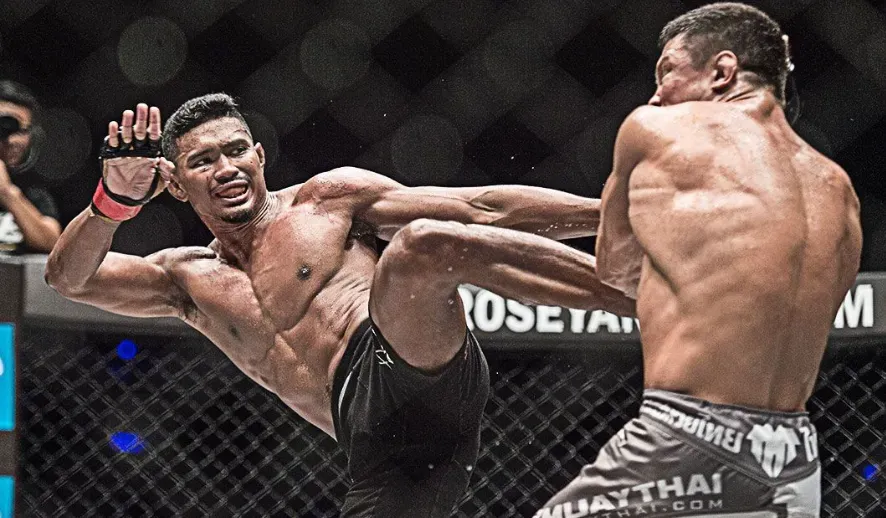
Behind every posted moneyline sits a probability model. While sportsbooks rarely disclose internal methodologies, pricing behavior across events reveals consistent structural layers in how MMA is evaluated. The first layer is statistical baseline modeling. This incorporates measurable performance metrics such as significant strikes landed per minute, strikes absorbed per minute, takedown attempts, takedown defense, submission attempts, and average control time.
Still, raw metrics by themselves are not enough. Strength-of-schedule adjustments are important. A fighter’s striking differential against unranked opposition cannot be weighted equally against performance against elite contenders. Sportsbooks incorporate opponent quality weighting, often using internal ranking tiers rather than public divisional standings. This corrects inflated statistics accumulated against lower-level competition.
The second modeling addtegrates situational variables. Five-round experience meaningfully affects pacing expectations. A fighter who has historically competed only in three-round bouts may demonstrate untested cardio in championship settings. Travel logistics, altitude preparation, and historical weight-cut difficulty are also factored into probability adjustments. Fighters who consistently struggle on the scale introduce measurable dehydration risk.
The third layer is stylistic interaction modeling. MMA is especially sensitive to style. A strong defensive wrestler may neutralize a striker’s volume advantage entirely. A submission grappler may create high-risk scrambles that compress time-to-finish probability. Sportsbooks cannot rely solely on aggregate metrics; they must simulate interaction pathways. This is where subjective analysis often blends with quantitative output.
Once baseline probabilities are formed, sportsbooks add risk management adjustments. Public perception of star fighters can distort betting volume. Popular champions frequently attract recreational money regardless of matchup nuance. Books widen or tighten margins accordingly to balance exposure. The final posted line therefore reflects not only probability estimation but also anticipated betting behavior.
Understanding that odds are the product of layered modeling and liability management clarifies why pricing sometimes appears inconsistent. It is not purely predictive; it is also protective.
The Mechanics of Line Movement During Fight Week
MMA line movement follows a predictable rhythm. Opening numbers are often posted early in the week. These lines can be more vulnerable because liquidity is still thin and sportsbooks seek to test market reaction. Professional bettors, often referred to as sharp action, enter early when they perceive inefficiencies.
If significant money enters on one side, sportsbooks adjust lines quickly. Early sharp movement tends to be respected by other books, creating cross-market shifts. By midweek, many inefficiencies have already narrowed. Still, not all movement is sharp-driven. Public narrative begins to build through media coverage, fighter interviews, and social media speculation.
The weigh-in window is the most volatile point in MMA betting. Official weigh-ins typically occur Friday morning. A fighter who misses weight by several pounds signals either a difficult weight cut or late health complications. Historically, fighters who miss weight exhibit mixed results. Some benefit from size advantage, others display compromised endurance. Market reaction can be exaggerated in either direction, depending on fighter reputation.
Ceremonial weigh-ins later that day provide additional visual information. Fighters appearing gaunt, unstable, or unusually fatigued can prompt further movement. Conversely, fighters who rehydrate effectively and appear composed may see lines stabilize.
Fight day itself introduces final waves of betting volume. Casual bettors often enter markets hours before the main card begins. This influx can shift pricing modestly, particularly for highly publicized bouts. By the time the fight begins, the closing line represents the market’s most refined probability consensus.
Analyzing where and why movement occurs can reveal inefficiencies. Not all line shifts represent new information. Some represent reactionary volume.
Weight-Cut Science and Its Betting Implications
Weight cutting is a major component of modern MMA and a important betting variable. Fighters often reduce body mass significantly in the final week before competition to make divisional limits. This reduction primarily involves water depletion rather than fat loss. After weigh-ins, fighters attempt to rehydrate within approximately 24 to 36 hours.
The effectiveness of this rehydration process can vary. Some fighters regain strength and volume quickly. Others experience lingering fatigue or diminished durability. Severe weight cuts can compromise chin resilience, reaction speed, and cardio output. Historical examples demonstrate that fighters who consistently struggle to make weight may show increased knockout vulnerability.
Betting markets attempt to reflect weight-cut difficulty through prior data. Still, weight management is dynamic. Aging fighters often struggle more as metabolic efficiency declines. Moving up or down a division also introduces adjustment risk. Fighters moving down may gain size advantage but risk cardio depletion. Fighters moving up may gain durability but sacrifice speed.
A methodical bettor monitors historical weigh-in footage, prior weight misses, and divisional transitions. Not every weight cut is visible on paper. Visual assessment and historical pattern recognition can provide marginal edges where markets rely primarily on aggregated metrics.
Because weigh-in information is public, pricing adjusts quickly. The advantage lies not in noticing a miss, but in interpreting its probable impact accurately rather than emotionally.
Training Camps, Coaching Stability, and Preparation Cycles
MMA is not solely an individual sport. Training camp environment affects skill development, strategic planning, and psychological readiness. Fighters embedded in elite camps benefit from diverse sparring partners and high-level coaching. Stable camps also reduce disruption during fight preparation.
Conversely, fighters switching camps frequently may face adjustment challenges. Adapting to new coaching philosophies or relocating geographically can affect preparation quality. Camp dynamics are rarely quantified in sportsbook models beyond superficial recognition, yet they influence performance meaningfully.
Preparation cycles are equally important. Short-notice replacements often enter without full conditioning cycles. Still, some fighters maintain year-round readiness, accepting bouts opportunistically. Distinguishing between opportunistic readiness and emergency substitution is important.
In five-round fights, strategic pacing becomes central. Camp reputation for conditioning can inform totals markets. Fighters from camps known for high-output wrestling often push pace early, while others emphasize counter-striking patience. These stylistic fingerprints are not always fully priced into totals.
Understanding camp infrastructure and preparation timeline adds useful context that complements statistical modeling.
Psychological and Strategic Incentives
MMA fighters are affected by incentives beyond victory. Title contention, contract negotiations, ranking position, and promotional pressure can change risk tolerance. A veteran on a losing streak may fight conservatively to secure job stability. A rising contender may pursue an emphatic finish to accelerate ranking ascent.
Tournament structures such as PFL introduce additional incentives. Because bonus points are awarded for early finishes, fighters may adopt aggressive first-round strategies. This increases early-round finish probability relative to non-tournament contexts.
Championship bouts scheduled for five rounds can influence pacing. Underdogs often conserve energy early, seeking late-round momentum shifts. Champions may prioritize control rather than risk to retain title.
Psychological durability also matters. Fighters who have suffered recent knockout losses sometimes display hesitancy. Others rebound with renewed aggression. These behavioral shifts are hard to model but observable through tape study.
Market inefficiencies occasionally emerge when sportsbooks overweight statistical baselines while underweighting motivational asymmetry. Narrative alone is insufficient, but context layered onto data can refine probability estimation.
Recurring Market Inefficiencies in MMA Betting
While major-event moneylines tend to be efficient by fight night, certain inefficiencies recur in MMA markets.
First, public overvaluation of knockout artists. Fighters with highlight-reel finishes often attract an outsized share of betting, shortening their lines beyond statistical justification. Volume-based strikers with durability may therefore offer value as underdogs.
Second, overreaction to short-notice replacements. While conditioning risk is real, markets sometimes exaggerate disadvantage without adjusting for stylistic compatibility. Replacement fighters who match up well technically may be undervalued.
Third, mispricing of grappling-heavy matchups in totals markets. Wrestling-dominant fighters often suppress striking exchanges, increasing decision probability. Yet totals sometimes reflect finish expectations derived from aggregate knockout rates rather than stylistic suppression.
Fourth, championship-fight pacing distortion. Five-round fights historically show elevated decision rates compared to three-round bouts between similar stylistic profiles. Markets occasionally underprice the over when focusing too heavily on fighter aggression.
None of these inefficiencies ensure profit. Still, recognizing patterns in how public behavior intersects with modeling limitations creates structured opportunity.
Recurring Market Inefficiencies in MMA Betting (Expanded Analysis)
Market inefficiencies in MMA betting typically do not come from dramatic modeling failures. They emerge from structural friction between probability theory, public perception, liquidity timing, and stylistic complexity. Identifying these inefficiencies requires bettors to understand how betting volume interacts with sportsbook risk management.
One of the most persistent pricing distortions appears in the pricing of finish-heavy fighters with strong highlight reputations. Spectacular knockouts create a cognitive bias. Public bettors disproportionately weight visible explosiveness over sustained technical control. A fighter with multiple early knockouts may see moneyline compression well beyond what underlying metrics justify. When such fighters face durable, defensively responsible opponents, the implied probability often reflects fan narrative rather than outcome distribution realism. Over time, markets tend to correct this inflation, but early-to-midweek pricing can exaggerate it.
Another inefficiency emerges from misinterpretation of recent performance trends. A fighter coming off a knockout loss frequently sees his line widen more than long-term metrics warrant. The market often over-adjusts for perceived fragility without accounting for opponent context. Conversely, a fighter coming off a first-round finish against inferior competition may experience inflated pricing. MMA outcomes are strongly dependent on how a fight unfolds; the opponent’s quality and stylistic compatibility matter more than the recency of a finish.
Weight misses represent another source of overreaction. While dehydration can compromise cardio and durability, the impact is not uniform. Fighters who routinely struggle with weight but have historically performed well despite it may not suffer significant performance decline. The betting market often moves aggressively on the headline of a weight miss without fully pricing historical resilience. This creates temporary inefficiencies before liquidity stabilizes.
Live betting markets also present recurring distortions. Early dominance in Round 1 can cause exaggerated line swings, particularly if visual damage appears significant. Still, damage is not always determinative. Fighters who historically rally in later rounds may become overpriced underdogs after a single difficult round. Because live markets compress reaction time, sportsbooks prioritize liability protection over refined modeling. This produces short-lived but measurable price inefficiencies.
Liquidity plays a role in these distortions. Preliminary-card bouts often attract lower betting volume, resulting in thinner market depth. In these cases, a single large wager can cause disproportionate line movement. Public bettors may interpret this as meaningful information when it is simply liquidity mechanics. Recognizing the difference between true informational movement and liquidity-driven volatility is a skill developed through repeated observation.
Another structural pricing inefficiency involves divisional transitions. Fighters moving up or down in weight class introduce modeling uncertainty. Markets frequently overemphasize size advantage narratives while underweighting speed and endurance adjustments. Historical data shows that moving up in weight often improves durability but reduces finishing power. Moving down can increase early-round explosiveness but raise cardio concerns. Markets sometimes compress pricing based on perceived physical dominance without integrating these nuanced trade-offs.
Tournament formats introduce a separate inefficiency pattern. In PFL-style seasonal structures, fighters may adjust tactics to maximize points for early finishes. Markets occasionally underprice first-round finish probability in these contexts because historical aggregate finish rates do not reflect tournament-specific incentive changes. This is not universally exploitable, but awareness of structural incentive shifts refines totals and method-of-victory modeling.
Finally, closing line efficiency in MMA is often misunderstood. In Major UFC main events, closing lines tend to be fairly efficient due to large liquidity pools and broad market participation. Still, efficiency does not imply certainty. Because MMA variance is high, even efficiently priced lines can produce surprising outcomes. Edge must be measured over long sample sizes rather than individual fight results.
Understanding inefficiencies is not about finding guaranteed value. It is about identifying where narrative bias, liquidity mechanics, stylistic complexity, and emotional betting intersect. In MMA, these intersections occur more frequently than in many team-based sports because the event-driven format compresses attention and volume into short time windows.

Strategic Framework for Long-Term MMA Betting in the United States
Mixed martial arts betting favors structure over emotion. The episodic format of fight cards, the visual intensity of finishes, and the narrative-driven nature of combat sports create a wagering environment that can feel deceptively simple. Yet beneath the surface lies a probabilistic system shaped by layered modeling, liquidity timing, psychological bias, and structural volatility.
The foundation of long-term viability in MMA betting rests on accurate probability interpretation. American odds are not predictions; they are implied probability estimates with embedded margin. Evaluating whether a price offers value requires comparing sportsbook probability to independently assessed outcome likelihood. This assessment must integrate statistical metrics, stylistic interaction, weight-class finish trends, preparation context, and historical pacing behavior.
Timing matters. Early-week lines may offer inefficiencies due to limited liquidity. Midweek adjustments often reflect sharp action. Weigh-ins introduce high-volatility pricing windows. Fight-day public money can distort numbers slightly on Major bouts. Entry timing is therefore a strategic decision rather than a passive one.
Market selection matters equally. Moneylines in major UFC events are often fairly efficient by close. Prop markets, particularly in lower-liquidity bouts, may retain higher margins but occasionally present modeling gaps. Live betting offers short-lived price dislocations but carries emotional and latency risk. Each market category carries different structural characteristics and must be approached accordingly.
Risk management is non-negotiable. MMA variance is intrinsic, not accidental. A technically superior fighter can lose in seconds. Unit-based staking, exposure limits per card, and avoidance of correlated overextension preserve capital across inevitable variance cycles. Emotional escalation during event-driven betting sessions is the primary long-term threat to sustainability.
The US regulatory framework supports structured participation. Licensed sportsbooks provide transparent odds, secure financial processing, responsible gambling tools, and standardized reporting. This institutional backbone distinguishes modern MMA betting from the fragmented offshore landscape of previous decades. Compliance, identity verification, and geolocation enforcement ensure integrity at both operational and transactional levels.
In the end, long-term performance in MMA betting is less about identifying dramatic underdogs and more about minimizing systematic error. Recognizing when markets overreact to narrative, when they misprice stylistic suppression, when they exaggerate weight-cut consequences, and when liquidity distorts movement creates marginal advantages. Marginal advantages compound.
Final Perspective on MMA Betting in the Modern US Market
MMA betting in the United States now operates within a mature, regulated, technologically sophisticated ecosystem. It is no longer a niche product attached solely to major pay-per-view events. It is a year-round wagering vertical supported by advanced modeling, deep prop menus, live markets, and institutional compliance frameworks.
Yet its core nature remains unchanged. Two athletes enter a confined competitive environment where outcomes can shift instantly. No statistical projection eliminates the possibility of abrupt reversal. This inherent volatility demands respect.
The advantage in this market is not bravado or intuition. It lies in disciplined analysis, contextual awareness, and emotional restraint. Those who approach MMA betting as structured probability evaluation rather than spectacle-driven impulse position themselves on firmer ground.
The surface simplicity of a fight outcome masks a deeply layered probabilistic architecture. Understanding that architecture, including how odds are built, how they move, how incentives shift, and how variance behaves, is what separates reactive participation from strategic engagement.
MMA betting rewards preparation. It punishes impatience. It magnifies both error and discipline.
Within the regulated US framework, the tools for structured participation exist. The outcome depends on how they are used.
Frequently Asked Questions About MMA Betting in the US
Is MMA betting legal throughout the United States?
MMA betting is legal in states that have authorized regulated sports wagering. The majority of US states now permit online sportsbook operation, and mixed martial arts is generally included among approved professional sports. Bettors must be physically located within a legal state at the time of placing a wager.
How are MMA odds calculated?
Sportsbooks construct MMA odds using quantitative modeling layered with qualitative adjustments. Statistical metrics such as striking differential, takedown efficiency, and finish rates are combined with stylistic matchup analysis, weight-class trends, and risk management considerations. Opening lines are then shaped by market participation throughout fight week.
Are moneylines or props better for long-term value?
Neither market type guarantees superior value. Moneylines on major UFC bouts tend to be efficient due to high liquidity. Prop markets can occasionally present inefficiencies but often carry higher margin. Value depends on accurate probability comparison rather than market category preference.
How important are weigh-ins for betting decisions?
Weigh-ins can materially affect pricing, particularly when a fighter misses weight. Still, the impact is not uniform. Historical resilience to difficult cuts, divisional movement context, and visual assessment during ceremonial weigh-ins must be considered before drawing conclusions.
Does live betting offer better opportunities?
Live betting introduces short-term inefficiencies due to rapid price adjustment and liability management. Still, it also carries latency risk and emotional volatility. Structured entry triggers are necessary to avoid reactive decision-making.
Are tournament promotions like PFL different from UFC in betting terms?
Yes. Tournament formats introduce incentive asymmetry. Fighters may pursue early finishes to accumulate points, altering pacing expectations. Futures markets in tournament structures require bracket modeling rather than simple divisional projection.
Do sportsbooks limit successful MMA bettors?
Licensed US sportsbooks operate under regulatory oversight. While operators may manage risk exposure through bet limits on specific markets, the regulated environment imposes transparency standards. Limits are typically more reflective of liquidity than punitive action.
Are MMA winnings taxable?
Yes. Gambling winnings are taxable at the federal level and often state taxation. Sportsbooks may issue reporting forms when thresholds are met, but bettors are responsible for accurate income reporting regardless of form issuance.
What is the single most important factor in MMA betting?
Accurate probability assessment combined with disciplined bankroll allocation. No individual metric overrides structural discipline.
short-term inefficiencies due to rapid price adjustment and liability management. However, it also carries latency risk and emotional volatility. Structured entry triggers are necessary to avoid reactive decision-making.
Are tournament promotions like PFL different from UFC in betting terms?
Yes. Tournament formats introduce incentive asymmetry. Fighters may pursue early finishes to accumulate points, altering pacing expectations. Futures markets in tournament structures require bracket modeling rather than simple divisional projection.
Do sportsbooks limit successful MMA bettors?
Licensed US sportsbooks operate under regulatory oversight. While operators may manage risk exposure through bet limits on specific markets, the regulated environment imposes transparency standards. Limits are typically more reflective of liquidity than punitive action.
Are MMA winnings taxable?
Yes. Gambling winnings are subject to federal taxation and often state taxation. Sportsbooks may issue reporting forms when thresholds are met, but bettors are responsible for accurate income reporting regardless of form issuance.
What is the single most important factor in MMA betting?
Accurate probability assessment combined with disciplined bankroll allocation. No individual metric overrides structural discipline.