


Problem Gambling Awareness Month Reminds Americans of Safe Play


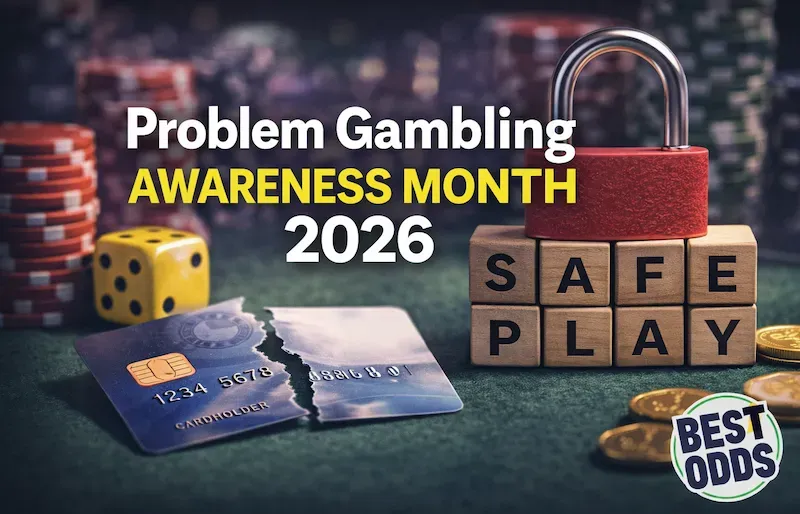
March is Problem Gambling Awareness Month in the U.S. The annual event from the National Council on Problem Gambling (NCPG) is meant to educate and remind Americans about the dangers of taking their casino gambling and sports betting too far.
The theme for this year is “Caring Communities, Stronger Futures,” emphasizing the importance of a community-driven approach to problem gambling awareness and support.
“When a community comes together – friends, families, educators, healthcare providers, local partners, and policymakers – silence is replaced with support, and isolation is replaced with connection,” the NCPG notes.
Gambling can be an entertaining activity for many, but the goal should always be entertainment rather than financial gain. Setting limits, staying informed, and recognizing warning signs can help ensure responsible gambling.
Warning Signs You Might Have a Gambling Problem
One of the most important factors responsible gambling is recognizing when behavior may be becoming unhealthy. Gambling problems often develop gradually, which can make them difficult to identify early.
Some warning signs include spending more money or time gambling than originally planned, chasing losses in an attempt to recover lost funds, or feeling anxious or irritable when not gambling.
People experiencing gambling issues may also hide their behavior from friends or family, borrow money to keep wagering, or allow gambling to interfere with work, school, or personal relationships.
If gambling begins to feel less like entertainment and more like a necessity or coping mechanism, it may be time to step back and seriously look at the situation.
Strategies for Safe Gambling
Practicing safe habits can help prevent gambling from becoming problematic. One of the most effective strategies is setting a strict budget before gambling and never exceeding that limit.
It’s also important to view any money spent as simply entertainment rather than an investment – whether in a casino or betting on the NFL or some other sport.
Taking regular breaks during gambling sessions and avoiding gambling when feeling stressed, upset, or when drinking alcohol can also help maintain control.
Many experts recommend setting both time limits and spending limits before beginning to gamble. Using built-in responsible gaming tools, offered by many online platforms – such as self-exclusion, deposit limits, and time reminders – can also be helpful in maintaining healthy boundaries.
Resources for Those Who Need Help
If someone believes their gambling may be a problem, several organizations provide confidential support and resources:
- National Problem Gambling Helpline (U.S.): 1-800-GAMBLER — A free, confidential hotline available 24/7 for support and referrals run by the NCPG.
- Gamblers Anonymous: A peer support group modeled after the 12-step recovery program, offering meetings worldwide.
- National Council on Problem Gambling (NCPG): Provides educational materials, prevention tools, and treatment resources.
- Responsible Gambling Council: Offers information on recognizing gambling risks and strategies for safer play.
- State Responsible Gaming Programs: Many states provide local counseling services and treatment programs. Many of these offer free services for those who need help.
Now an experienced iGaming and sports betting writer and editor, Alex has been a keen casino player and sports bettor for many years, having dabbled in both for personal entertainment. He regularly plays slots, and places bets on his favourite sports, including football and NFL as a preference; he’s a big fan of Chelsea and the New York Giants for all his sins.
Related News

 NBA
NBA NFL
NFL NHL
NHLBetting offers


